Aadhaar Goes Digital with Google Wallet, Ending Need for Physical Cards
Users in India can now store Aadhaar securely on smartphones, verify identity instantly, and share only required details through a new privacy focused integration with Google Wallet and UIDAI
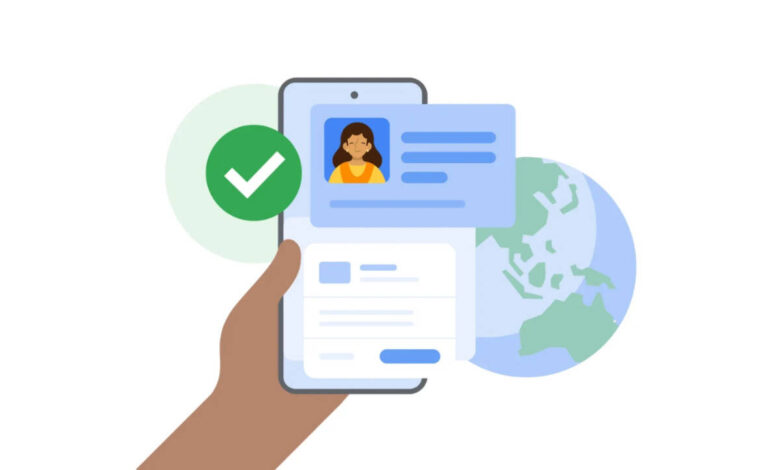
India is moving a step closer to fully digital identity verification as Google introduces Aadhaar support inside Google Wallet. The new feature, developed in collaboration with UIDAI, allows users to store their Aadhaar details digitally and access them directly from their smartphones.
The initiative aims to eliminate the need to carry a physical Aadhaar card. Instead, users can rely on a secure digital version that is encrypted and protected within their devices. Access to the digital ID requires authentication through passwords or biometric methods such as fingerprint or face unlock, adding an extra layer of security.
A standout feature of this system is selective data sharing. Rather than exposing complete Aadhaar details during verification, users can choose to share only specific information. For instance, if age verification is required, only that detail is displayed without revealing the full identity profile. This approach aligns with global privacy standards and gives users more control over their personal data.
The integration works by treating Aadhaar as a verifiable credential stored on the device. This means it can be used for both online and offline verification scenarios. Google has emphasized that the system is designed with privacy at its core, ensuring that only necessary information is disclosed in any interaction.


Setting up the digital Aadhaar is a straightforward process. Users must first ensure they are using the latest version of the Google Wallet app on their Android devices. After opening the app, they can select the option to add an ID and choose Aadhaar from the list. Verification is completed through a one time password sent to the mobile number linked with Aadhaar.
Alternatively, users who have the updated Aadhaar app from UIDAI can generate a verifiable credential there and transfer it directly to Google Wallet using a share option. Once the authentication is complete, the Aadhaar details are securely stored in encrypted form on the device.
The practical applications of this feature are already expanding through early partnerships. At PVR INOX, users can quickly verify their age for movie bookings and access rewards. On Bharat Matrimony, Aadhaar verification helps create more trustworthy profiles. Meanwhile, Atlys enables users to auto fill international visa applications with a single tap.
Google has also indicated plans to extend support to platforms like MyGate and Snabbit, aiming to simplify identity verification for delivery personnel and gig workers while maintaining security standards.
With this rollout, digital identity in India is becoming more practical and privacy conscious, offering users both convenience and control in everyday verification needs.