Gen Z vs Millennials Health Debate What Doctors Reveal About Real Fitness and Lifestyle Differences
Experts explain how Gen Z may be more health aware through fitness tracking and mental health talk but rising stress digital pressure and lifestyle habits are changing the real health picture compared to Millennials
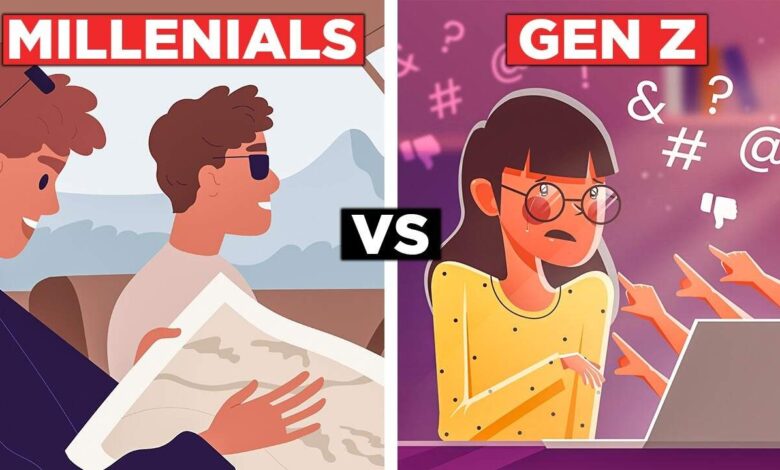
In today’s digital world, it often looks like Gen Z is far more health conscious than previous generations. From tracking sleep patterns to counting protein intake and openly discussing mental health, they appear highly informed. However, doctors say awareness alone does not always translate into better physical or mental health outcomes.
When compared closely, Millennials and Gen Z show very different health behaviors. Millennials traditionally focused more on physical routines like gym workouts, yoga, and weight management. Gen Z, on the other hand, talks more about mental well being, muscle composition, and balanced lifestyle choices. But this strong awareness sometimes creates a different kind of pressure.
According to senior cardiologists, while Gen Z understands health concepts better, Millennials often show more consistency in maintaining physical discipline. The constant effort to stay perfect in fitness goals among Gen Z can sometimes turn into stress rather than relief. Health experts point out that trying too hard to maintain an ideal lifestyle can itself become mentally exhausting.
One of the biggest concerns today is the rise of lifestyle related diseases at a young age. Conditions like diabetes, blood pressure issues, and even heart related problems, which were once common after 50, are now being seen in people in their 20s and 30s. Studies highlight that lack of physical activity, long screen time, irregular sleep, and junk food habits are major contributors to this shift.


Research also shows a sharp increase in metabolic risks among young adults over the past decade. The growing dependence on digital devices has reduced physical movement, while constant connectivity has increased stress levels. Sitting for long hours and poor sleep routines are quietly becoming silent health threats for the younger population.
Mental health is another major difference between the generations. Gen Z is more open to therapy and discussions around anxiety and burnout, which is a positive change. However, constant comparison on social media and the pressure of staying online have created new forms of emotional fatigue. Many young individuals find it difficult to disconnect, which affects their ability to recover from stress.
Earlier generations like Millennials had a clearer boundary between online and offline life. Today, that boundary has almost disappeared. Continuous exposure to social media content, especially negative news and endless scrolling, has made mental relaxation more difficult. This constant digital engagement slowly reduces emotional resilience.
In the end, doctors believe it is difficult to declare one generation healthier than the other. Gen Z may be more informed, but Millennials often show more stable lifestyle habits. Real health does not come from tracking apps or awareness alone. It comes from consistent action, balance, and the ability to manage both physical and mental well being in everyday life.