

Hair Fall and Slow Healing Could Be Signs of Zinc Deficiency in the Body
Doctors say low zinc levels may weaken immunity, affect skin health, slow wound healing and trigger hair fall if proper nutrition is not maintained regularly through balanced meals.
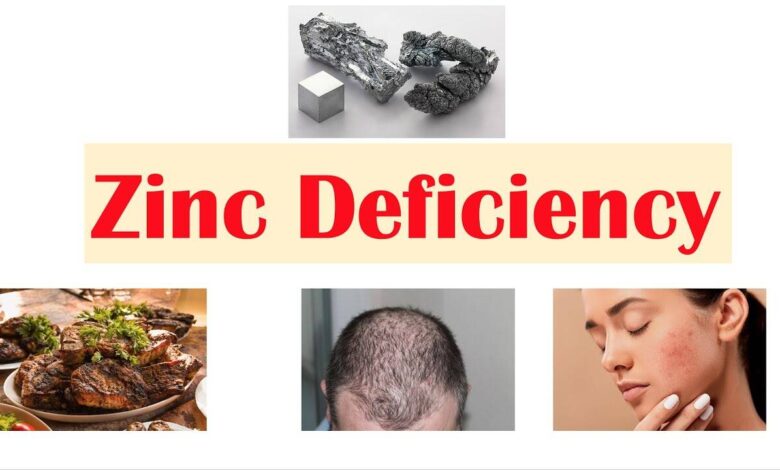
Health experts are urging people to pay closer attention to zinc intake after growing concerns about nutrient deficiencies linked to weak immunity, hair loss and delayed healing. Doctors say many individuals fail to recognize the early signs of zinc deficiency until the body begins showing visible health problems.
Zinc is considered one of the most important minerals required for the proper functioning of the human body. Medical experts explain that it plays a major role in maintaining skin health, supporting digestion, strengthening immunity and helping damaged tissues repair themselves naturally.
According to doctors, one of the common warning signs of zinc deficiency is excessive hair fall. While hair loss can happen for many reasons, experts say low zinc levels may weaken hair follicles and affect healthy hair growth over time. Persistent tiredness, unexplained weight loss and low energy levels may also indicate that the body is lacking this essential mineral.
Health professionals explain that zinc works as a powerful antioxidant inside the body. It helps protect cells from damage and supports the immune system in fighting infections. When zinc levels drop, the body may become more vulnerable to fungal infections, skin irritation and recurring illnesses.


Doctors also point out that zinc deficiency can slow down the body’s natural healing process. Minor cuts, bruises or wounds that normally heal quickly may take much longer to recover if the body does not have enough zinc to repair tissues properly.
Digestive health can also be affected by low zinc levels. Experts say the mineral supports normal digestive system function, and deficiency in some people may lead to digestive discomfort or frequent stomach related issues.
Medical professionals are particularly concerned about zinc deficiency in children. Doctors explain that inadequate zinc intake during growing years may affect physical development and even influence mental health and overall growth.
Nutritionists believe the good news is that zinc deficiency can often be managed through simple dietary improvements. Several everyday food items naturally contain good amounts of zinc and can help maintain healthy levels in the body.
Seeds such as pumpkin seeds, sesame seeds, sunflower seeds and mustard seeds are considered rich sources of zinc. Experts also recommend including foods like mushrooms, pumpkin and leafy vegetables in regular meals.
Animal based foods including meat and eggs are known to provide zinc, while plant based options such as legumes, peanuts, lentils and yogurt can also contribute to healthy intake levels. Doctors say maintaining a balanced and nutritious diet is one of the best ways to avoid mineral deficiencies.
Health experts emphasize that people should not ignore continuous hair fall, weakness or slow wound healing, especially if these symptoms continue for a long time. Consulting a doctor and checking nutritional status may help identify hidden deficiencies before they begin affecting overall health more seriously.
Doctors believe proper nutrition remains the foundation of strong immunity, healthy skin and long term wellbeing. Ensuring adequate zinc intake through daily meals can play a major role in keeping the body active, resilient and healthy.