

Why Experts Are Warning Against Frequent Use of Wet Wipes on Your Face
Wet wipes may feel refreshing during summer and travel, but skincare experts warn that regular use can damage skin barriers, trigger allergies, increase dryness, and cause long term irritation problems.
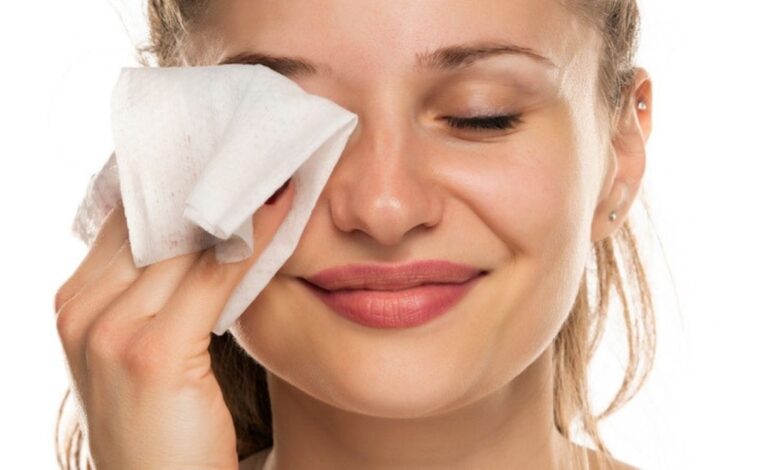
Wet wipes have become a common part of daily life, especially for people looking for quick and convenient ways to clean their face during travel, office hours, or hot summer days. Many people use them to remove makeup, wipe away sweat, or freshen up instantly. While the cooling effect may feel satisfying at first, dermatologists are now warning that frequent use of wet wipes may do more harm than good for the skin.
According to skincare experts, regular use of wet wipes can slowly weaken the skin’s natural protective barrier. Most wipes contain fragrances, preservatives, and chemical agents that can strip away the skin’s natural oils. As a result, the skin may start feeling dry, tight, or irritated after repeated use.
One major concern is that wet wipes do not always clean the skin properly. Instead of removing dirt completely, they may spread oil, sweat, and impurities across the surface of the skin. This can clog pores over time and increase the chances of acne, blackheads, and skin breakouts. People with sensitive skin are considered more vulnerable to these side effects.
Experts also point out that many wet wipes contain a chemical called methylisothiazolinone, which is commonly used as a preservative and antibacterial agent. This ingredient is often responsible for the cooling sensation users experience after wiping their face. However, dermatologists say the same chemical can trigger skin irritation, itching, redness, and allergic reactions in some people.


During summer, when sweat and pollution levels are high, many individuals tend to use wet wipes several times a day for instant freshness. While this may appear harmless, continuous exposure to chemicals present in wipes can gradually damage the skin’s moisture balance. In some cases, long term use may even make the skin more sensitive than before.
Skin specialists recommend using plain water and a gentle face wash instead of relying heavily on wet wipes. Proper cleansing methods help maintain the skin’s natural hydration and reduce the risk of irritation. Wet wipes can still be useful in emergency situations or while traveling, but experts advise against making them a regular part of daily skincare routines.
The growing popularity of wet wipes has made them a convenient lifestyle product, but doctors say convenience should not come at the cost of skin health. Choosing safer cleansing habits today can help prevent bigger skin problems in the future.