

Kitchen Dishwashing Soaps May Be Harming Your Skin More Than You Think Doctors Warn Early Aging Risk
Regular exposure to dishwashing liquids while cleaning utensils may silently damage skin health by removing natural oils causing dryness irritation sensitivity and faster visible aging effects over time
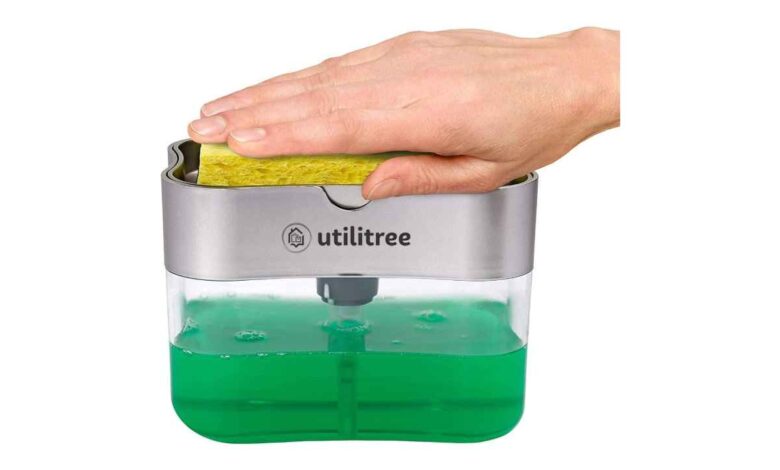
In most households, cleaning dishes has become an unavoidable daily routine, and dishwashing liquids are widely used for removing oil stains and stubborn grease. While these cleaning agents make utensils look spotless, repeated contact with them may not be as harmless as it appears.
Dermatology experts point out that the strong chemical composition in dishwashing soaps can slowly strip away the skin’s natural protective oils. This leads to dryness, rough texture, and in many cases a feeling of tightness on the hands after washing utensils. Over time, the skin loses its softness and becomes more vulnerable to damage.
People with sensitive skin are often the first to notice problems. Continuous exposure can trigger conditions like irritation, redness, and even contact dermatitis. In some cases, itching and peeling of the skin may also develop, especially when protective gloves are not used during washing.
Many dishwashing liquids contain powerful surfactants such as sodium lauryl sulfate. These ingredients are effective in breaking down grease but can also disturb the natural balance of the skin. With regular use, the skin barrier weakens, making it less capable of defending itself from external irritants.


Another concern is the effect on nails and surrounding skin. Frequent washing with harsh detergents can make nails brittle and dry. The cuticle area may also become damaged or cracked, which increases discomfort and sensitivity in daily tasks.
Artificial fragrances and coloring agents present in some products can further worsen the situation. These additives may trigger allergic reactions in certain individuals, leading to persistent irritation even long after washing hands.
Doctors also caution that long term exposure to such chemicals may accelerate visible signs of aging on the hands. Fine lines, dryness, and loss of elasticity can become more noticeable earlier than expected due to repeated chemical contact.
When the protective layer of the skin is weakened, small cracks can form, allowing bacteria and fungi to enter more easily. This increases the risk of minor skin infections, especially in people who frequently wash dishes without protection.
Experts recommend minimizing direct contact with strong detergents whenever possible. Using gloves and moisturizing the hands after dishwashing can help reduce the damage. Simple protective habits can go a long way in maintaining healthy skin despite daily household chores.