

Mutton Liver or Chicken Liver Which One Offers Better Health Benefits
Chicken liver and mutton liver are packed with iron protein and vitamins but nutrition experts say choosing the right quantity and type matters more for long term health
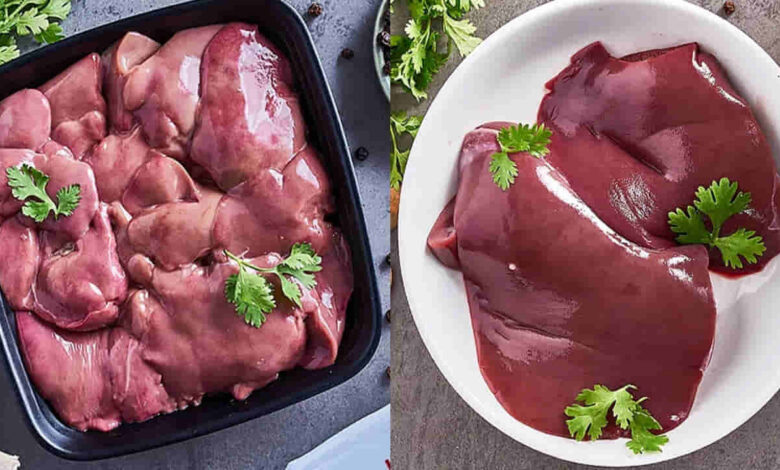
Liver dishes have remained a favorite among non vegetarian food lovers for generations. From spicy fries to rich homemade curries, both chicken liver and mutton liver continue to hold a special place in traditional kitchens. Beyond taste, health experts say these organ meats are loaded with essential nutrients that can support immunity, improve energy levels and help fight nutritional deficiencies when eaten in moderation.
Nutrition specialists explain that both chicken liver and mutton liver are considered highly nutrient dense foods. They are rich in iron, vitamin B12, protein and vitamin A, nutrients that play an important role in red blood cell production and overall body strength. People suffering from weakness or low hemoglobin levels are often advised to include limited portions of liver in their diet because of its iron content.
While both varieties offer health benefits, mutton liver is believed to contain a higher concentration of vitamins and minerals. It is especially rich in potassium, zinc, copper and several B vitamins. At the same time, chicken liver is considered a lighter option because it usually contains fewer calories and lower fat compared to mutton liver. It also provides selenium, folate and calcium in useful amounts.
Health experts point out that many people remain confused about which option is healthier. According to dieticians, the answer depends on a person’s health condition and dietary needs. Those looking for a leaner protein source may prefer chicken liver, while people aiming for maximum nutrient density may choose mutton liver occasionally.


Doctors also warn that liver should not be consumed excessively. Mutton liver contains higher cholesterol levels, which may not be suitable for people dealing with heart related conditions or high cholesterol problems. Pregnant women are also advised to eat liver carefully because excess vitamin A intake may not be recommended during pregnancy unless approved by a medical professional.
Experts further caution that people with kidney disorders or severe digestive issues should avoid eating large amounts of liver. Since liver is extremely rich in nutrients, overeating it may sometimes create health complications instead of benefits.
According to nutrition recommendations, healthy adults can safely consume around 100 to 200 grams of chicken or mutton liver once a week. Maintaining moderation is considered the key to enjoying the nutritional advantages without increasing health risks.
Food lovers continue to enjoy liver recipes for their unique flavor and rich texture, but health specialists stress that balance matters more than quantity. Whether it is chicken liver or mutton liver, choosing fresh ingredients, cooking hygienically and eating controlled portions can help people enjoy both taste and nutrition together.