Parents Warned as Fatty Liver Cases Rise Among Children
Doctors say unhealthy eating habits lack of physical activity and rising obesity levels are increasing fatty liver disease among children making early detection and lifestyle correction extremely important today
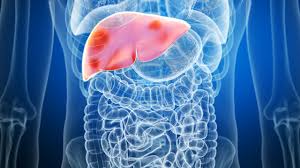
Health experts are raising concern over the growing number of fatty liver cases being detected in children under the age of 14. Once considered a condition mostly seen in adults, fatty liver disease is now becoming increasingly common among youngsters because of poor lifestyle habits, unhealthy food choices and reduced physical activity.
Doctors say excessive intake of junk food sugary drinks and processed snacks is putting extra pressure on children’s liver health. Spending long hours on mobile phones televisions and gaming devices has also reduced outdoor activities which is contributing to childhood obesity. These factors together can lead to fat accumulation in the liver and gradually affect its normal functioning.
Specialists warn that fatty liver disease often develops silently in the beginning. Many parents fail to notice the early symptoms because they may appear minor or unrelated. However if ignored for a long time the condition can progress and increase the risk of liver damage and serious complications such as cirrhosis in later years.
One of the earliest warning signs seen in children is constant tiredness. Even after getting enough rest some children may look exhausted throughout the day. They may lose interest in outdoor games become physically inactive or complain about low energy regularly. According to doctors persistent fatigue should not be ignored especially when it is combined with unhealthy weight gain.


Changes in the skin can also indicate underlying liver problems. Experts say dark patches around the neck or underarms may sometimes point toward insulin resistance which is commonly linked with fatty liver disease. In some children the skin may appear dull unhealthy or unusually dry. Parents are advised to observe such changes carefully instead of dismissing them as temporary issues.
Another common symptom is stomach discomfort. Children suffering from fatty liver may frequently complain about bloating mild pain or heaviness in the upper right side of the abdomen where the liver is located. Repeated digestive discomfort along with obesity and fatigue should be medically evaluated without delay.
Doctors believe the rise in fatty liver disease among children is closely connected to changing food habits and sedentary lifestyles. Fast food meals high sugar snacks packaged items and soft drinks have become a regular part of many children’s diets. At the same time outdoor playtime has reduced significantly as screen exposure continues to increase.
Health professionals say obesity at a young age is one of the biggest risk factors linked to fatty liver disease. Children with a family history of diabetes are also considered more vulnerable. Parents are being encouraged to monitor their child’s weight regularly and ensure balanced nutrition at home.
Experts stress that early stage fatty liver disease can often be controlled and even reversed with timely lifestyle changes. Healthy eating habits regular exercise and proper sleep can greatly improve liver health in children. Encouraging outdoor activities reducing sugary foods and including more fruits vegetables and whole grains in daily meals can make a major difference.
Doctors also recommend routine health checkups if children show signs such as sudden weight gain continuous tiredness unusual skin changes or abnormal blood test reports. Early diagnosis can help prevent serious liver complications in the future.
Medical professionals say awareness among parents is the key to protecting children from this growing health issue. Small changes in daily routine today can help children maintain healthier liver function and avoid major health risks later in life.