India Approves First Hydrogen Powered Passenger Train Project
ndian Railways has approved its first hydrogen powered train project aimed at cleaner transport solutions and strengthening the country's commitment towards sustainable and environmentally friendly travel.
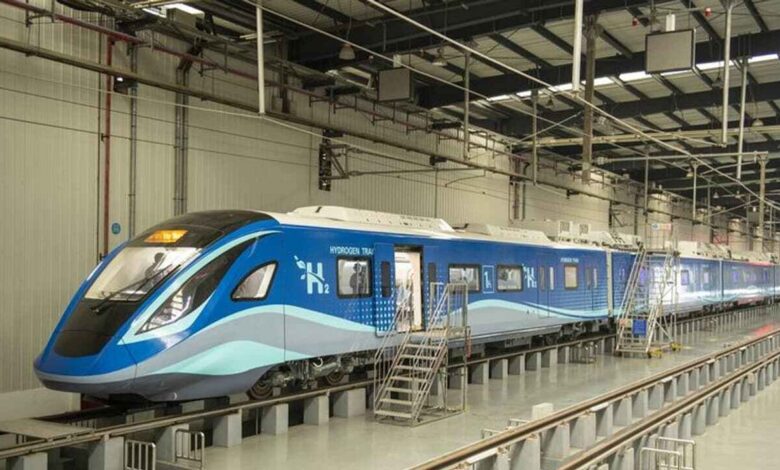
- Hydrogen Train Project Gets Approval
- India Introduces Hydrogen Train Technology
- Hydrogen Train Supports Green Transport
India has taken a major step toward greener transportation with Indian Railways officially approving the country’s first hydrogen powered train project. The move is expected to mark the beginning of a new chapter in rail technology while supporting efforts to reduce pollution and promote sustainable travel.
The upcoming train will operate on the Jind to Sonipat route in Haryana under Northern Railway and is expected to consist of ten coaches. Railway officials see the project as an important milestone in adopting advanced clean energy technology in public transportation.
Unlike conventional diesel powered trains, the hydrogen fuel cell system generates electricity using hydrogen and releases only water vapor as a byproduct. This process significantly reduces harmful emissions and supports environmental protection goals.
The train is designed with a modern 1200 kilowatt hydrogen fuel cell propulsion system and is expected to reach speeds of up to 75 kilometers per hour. With this development, India joins countries that have already started using hydrogen based railway technology.


To support operations, Indian Railways has prepared an indigenous hydrogen storage and refueling facility in Jind. Authorities stated that the center has received necessary approvals and safety clearances for storing and handling compressed hydrogen gas.
Passenger safety remains a key focus for the project. Advanced leak detectors, flame monitoring systems, and emergency sensors have been installed at the fueling facility. Trained technical teams will monitor operations continuously during the initial phase.
The hydrogen train project is expected to play an important role in supporting India’s long term environmental goals and could become a significant step toward achieving cleaner and more sustainable transport infrastructure.