

AIIMS Jodhpur Doctors Treat Rare Laughing Seizures in Children
Children experiencing uncontrollable laughter without reason may have a rare neurological disorder; timely diagnosis and advanced minimally invasive treatment can restore normal life and prevent serious complications.
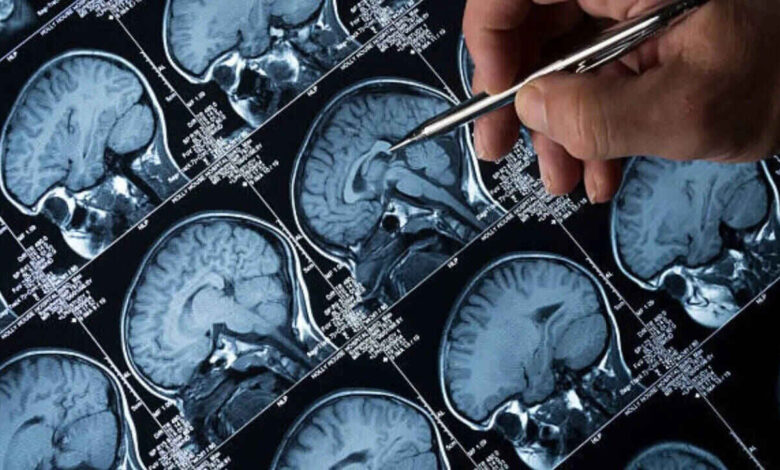
Doctors at AIIMS Jodhpur have achieved a medical breakthrough by successfully treating four children suffering from an extremely rare condition known as laughing epilepsy, or gelastic seizures. This disorder causes sudden, uncontrollable laughter without any emotional trigger, affecting daily life, social interactions, and education.
Laughing epilepsy is caused by small nodules in the hypothalamus region of the brain. These tiny growths trigger episodes of laughter that the child cannot control. The seizures can occur ten to twenty times a day, often leading to significant disruption in normal routines and social development.
What makes this condition particularly challenging is that conventional anti-epileptic medications are usually ineffective. Moreover, the nodules are located deep inside the brain, making traditional surgery highly risky. Many medical centers consider this disorder nearly untreatable.
The AIIMS team used a state-of-the-art procedure called stereotactic radiofrequency ablation. Guided by precise computer imaging, a probe smaller than a finger is inserted into the brain to target the nodules. Heat energy is then applied to destroy the abnormal tissue. This minimally invasive approach eliminates the need for open-brain surgery and allows for rapid recovery.

The results were remarkable. The children were discharged within 48 hours after the procedure, and all are now free from seizures and living healthy, active lives. AIIMS Jodhpur has become the only government hospital in Rajasthan providing such advanced epilepsy treatments, performing over 100 surgeries either free or at minimal cost since 2019.
Medical experts emphasize that sudden, excessive laughter in children should not be dismissed as mere playfulness. Early recognition and timely medical intervention can not only prevent life-threatening complications but also help children lead a normal life.
This achievement highlights both the potential of modern neurosurgical techniques and the importance of awareness among parents and caregivers about rare neurological disorders in children.