

Air Conditioner Air And Health Risks What Everyone Should Know Before Using AC Continuously
Doctors warn that long exposure to air conditioners and coolers may lead to respiratory issues skin dryness and fatigue while proper usage and maintenance can help reduce long term health risks effectively
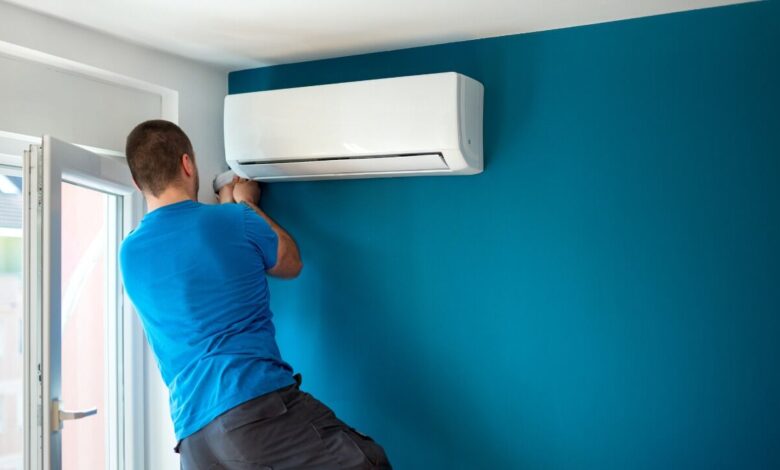
In today’s fast moving lifestyle, air conditioners have become almost unavoidable in homes, offices and even public spaces. While they offer instant relief from extreme heat, health experts are increasingly pointing out that spending too much time in chilled environments may quietly affect the body in more ways than people realize.
One of the most common concerns linked with continuous AC use is related to breathing comfort. Air conditioners tend to reduce humidity in the room, which can dry out the nose and throat. Over time, this may lead to frequent sneezing, throat irritation and a dry cough. For people already dealing with sinus issues, this environment can feel even more uncomfortable. In some cases, dirty filters inside AC units may circulate dust and bacteria, making the air less fresh than expected and leading to headaches, tiredness and a sense of fatigue often referred to as sick building syndrome.
Skin and eye health are also affected when a person stays in air conditioned rooms for long hours. The skin slowly loses its natural moisture, which can lead to dryness, itching and a dull appearance. Similarly, the eyes may feel irritated due to reduced moisture, sometimes causing redness or a burning sensation. People who already suffer from joint pain often notice that cold air makes stiffness worse, especially in knees and muscles, which can increase discomfort during movement.
There is also a common habit that can make things worse without people realizing it. Many individuals enter an AC room immediately after being exposed to hot outdoor temperatures. This sudden change in temperature can put stress on the body, sometimes leading to weakness or uneasiness. Allowing the body a short transition period in normal room conditions can help avoid this sudden shock.


Maintenance plays an equally important role in keeping AC related health issues under control. If filters are not cleaned regularly, dust and mold can accumulate and enter the air that is being circulated in the room. This can trigger allergies, frequent sneezing and breathing discomfort over time. Simple habits like cleaning filters and setting the temperature between 24 and 26 degrees Celsius can make a noticeable difference in maintaining a healthier indoor environment.
Air conditioners are not harmful on their own, but how they are used makes all the difference. With mindful usage, regular cleaning and balanced temperature settings, it is possible to enjoy comfort without compromising long term health.