

Rising Heatwaves Raise Concerns Over Heart Health Across the Country
Doctors warn that extreme summer temperatures may increase stress on the heart especially among elderly people and patients with existing cardiovascular conditions causing dehydration blood pressure fluctuations and exhaustion risks.
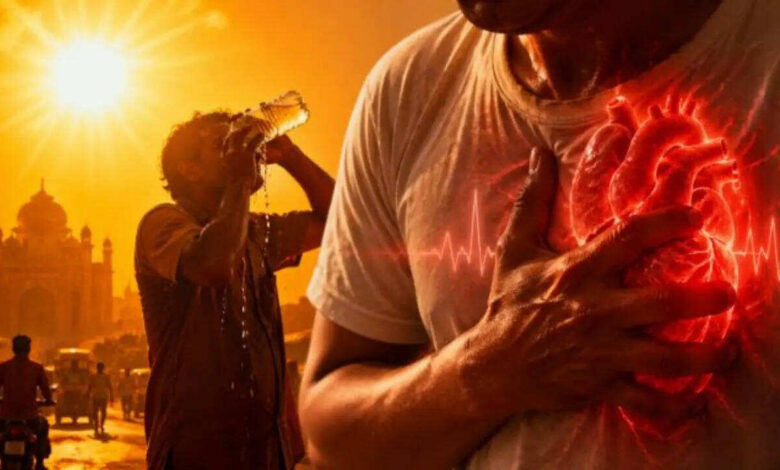
Extreme summer temperatures are beginning to take a serious toll on public health as several parts of the country continue to record intense heatwave conditions. Hospitals in many cities are reporting a steady rise in cases related to dehydration, heat exhaustion and sunstroke. Along with these concerns, medical experts are now warning that prolonged exposure to extreme heat may also place additional strain on the heart, especially for people already suffering from cardiovascular problems.
According to heart specialists, high temperatures may not directly trigger a heart attack in every case, but they can create conditions that make the heart work harder than usual. During hot weather, the body naturally tries to cool itself by increasing blood circulation and sweating more. This process can lead to a significant loss of water and essential minerals, which may disturb blood pressure levels and affect heart rhythm.
Doctors explain that dehydration plays a major role during heatwaves. When the body loses too much fluid, the blood can become thicker, making it more difficult for the heart to pump efficiently. In certain situations, this added pressure may increase the risk of clot formation, which can eventually lead to serious heart complications. Experts say people with pre existing heart disease, high blood pressure or other chronic health conditions need to be especially cautious during periods of extreme heat.
Elderly individuals are considered one of the most vulnerable groups because their bodies often struggle to regulate temperature effectively. People who work outdoors for long hours under direct sunlight are also at higher risk. Health professionals advise these individuals to avoid unnecessary outdoor exposure during peak afternoon hours and stay well hydrated throughout the day.


Cardiologists say there is no need for panic among healthy individuals who take proper precautions. Drinking enough water, staying indoors during intense heat and maintaining a balanced lifestyle can significantly reduce health risks. However, ignoring early warning signs can become dangerous. Experts recommend seeking immediate medical attention if symptoms such as sudden excessive sweating, rapid heartbeat, chest discomfort or shortness of breath appear during hot weather conditions.
The growing intensity of summer temperatures has also increased awareness about preventive healthcare. Many families are now paying closer attention to hydration, electrolyte balance and cooling practices to protect elderly relatives and children. Medical professionals stress that simple measures such as consuming fluids regularly, wearing light clothing and avoiding physical strain during heatwaves can make a major difference.
As heatwaves continue to affect daily life across the country, doctors believe public awareness is becoming more important than ever. They say understanding how extreme weather impacts the body can help people take timely precautions and reduce the chances of serious health emergencies during the summer season.