
Ancient Creeper Touted as Natural Immunity Booster Draws Scientific Attention
Experts highlight the medicinal value of Tinospora cordifolia, known as Giloy, saying it may strengthen immunity, reduce inflammation and support the body’s natural defense system against infections when used appropriately
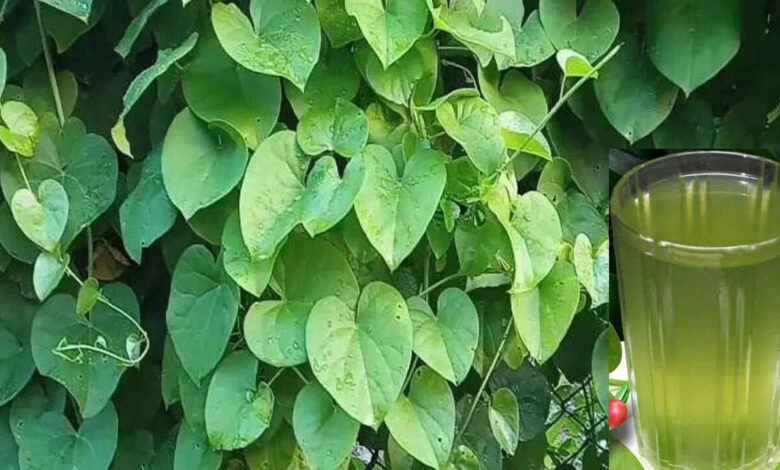
In many rural regions, this wild climbing plant often grows unnoticed along fences and bushes, yet traditional medicine systems have long considered it highly valuable. Known as Giloy or Tinospora cordifolia, it has recently regained attention due to growing interest in natural immunity boosting remedies. Ayurveda practitioners describe it as a plant where every part, including stem, leaves and roots, carries medicinal significance.
Scientific interest in this plant has also increased in recent years. Researchers have identified a wide range of bioactive compounds present in Giloy, including alkaloids, glycosides, diterpenoids and steroids. Studies suggest that these phytochemicals contribute to its therapeutic potential. A review conducted by the Central Institute of Medicinal and Aromatic Plants in Lucknow has further supported many of its traditionally believed health benefits.
One of the most discussed qualities of Giloy is its ability to support the immune system. Medical observations indicate that it may help increase the activity of T helper cells, which play a key role in identifying infections in the body. When these cells function efficiently, the immune system responds more quickly to harmful microorganisms.
Experts also explain that Giloy may assist in improving the action of macrophages, which are responsible for destroying viruses and bacteria in the bloodstream. These cells contain lysosomes that help break down pathogens, and certain compounds in Giloy are believed to enhance this natural defense mechanism.


Another important aspect highlighted by researchers is its potential role in antibody production. By stimulating B cells, Giloy may help the body develop long term immunity, allowing it to respond more effectively if the same infection occurs again in the future.
Beyond immunity, the plant is also associated with anti inflammatory properties. Specialists note that inflammation linked to obesity or infections can worsen health conditions, and certain compounds in Giloy may help reduce this response. This is particularly important because chronic inflammation is often linked to lifestyle related diseases.
Researchers have also observed that during infections, the body releases chemicals such as interleukin 6 and TNF alpha, which can sometimes intensify inflammation. Compounds found in Giloy may help regulate these responses, potentially supporting faster recovery and reducing stress on vital organs.
Traditionally, Giloy is consumed in different forms depending on availability. In rural areas, fresh stems or leaves are crushed and consumed with honey, or boiled in water to prepare a herbal decoction. In urban settings, powdered forms are commonly available, which can also be mixed with water or honey and taken as recommended in traditional practices.
While its popularity is increasing, experts emphasize that it should be used with awareness and proper guidance. Scientific studies suggest promising benefits, but balanced use and consultation with health professionals remain important for safe consumption.