
Beautiful but Dangerous Oleander Plants in Home Gardens Raise Health Concerns
Experts caution that popular ornamental oleander plants grown in many home gardens may trigger allergies breathing issues and toxic reactions urging families to rethink planting them near living spaces
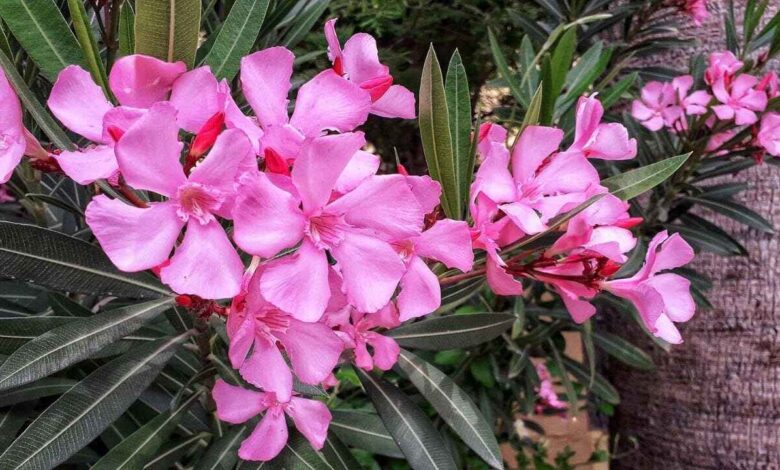
Across many neighborhoods, home gardens are filled with vibrant flowering plants, fruit trees and even medicinal herbs chosen for both beauty and tradition. However, health experts are warning that not every attractive plant is safe to grow close to living spaces. One such example is the oleander plant, commonly admired for its bright blooms but known for its toxic properties.
Often planted to enhance the visual appeal of gardens, oleander produces striking red and pink flowers that easily catch the eye. In many areas it is also locally referred to as kasturi flower. Because of its hardy nature and ability to thrive in different climates, the plant is frequently seen in residential compounds, parks and roadside landscapes.
What many people do not realize is that every part of the oleander plant contains toxic compounds. Experts say even casual contact with its leaves or exposure to its pollen can cause allergic reactions in sensitive individuals. Symptoms may include skin irritation, itching, rashes, sneezing and other respiratory discomforts. In some cases, inhaling pollen particles can worsen breathing problems, particularly in people who already suffer from allergies or asthma.
Gardening enthusiasts sometimes experiment with exotic or decorative plants without fully understanding their health impact. While most flowering plants are harmless, certain varieties like oleander pose hidden risks. Accidental ingestion of any part of the plant can be extremely dangerous, especially for children and pets. Even handling the plant without washing hands afterward may lead to irritation.


Medical professionals advise homeowners to be cautious when selecting ornamental plants. Families with young children, elderly members or individuals with respiratory conditions should carefully evaluate whether such plants are suitable for their surroundings. Removing or avoiding toxic species can significantly reduce the chances of preventable health issues.
A beautiful garden should offer peace and freshness, not hidden danger. Experts recommend researching plant varieties before adding them to home landscapes and prioritizing safe, non toxic options. In the case of oleander, its visual charm may not outweigh the potential risks it brings to the doorstep.