Beetroot Juice Can Harm Some People Experts Warn About Hidden Health Risks
Beetroot juice is widely seen as a healthy drink but medical experts caution that it may not suit everyone and in certain conditions it can trigger serious health issues if consumed without care
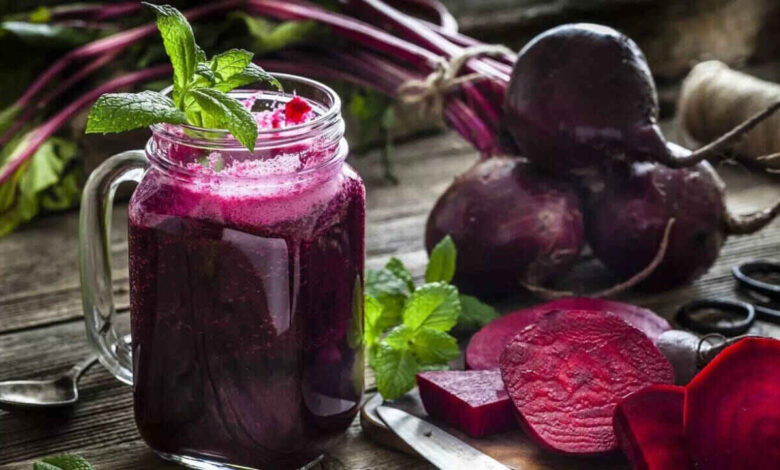
In recent years, beetroot juice has become a popular health drink across all age groups. From gym going youngsters to elderly people, many include it in their daily routine believing it improves stamina and overall health. Social media trends have also played a major role in boosting its image as a superfood. However, doctors now remind us that even natural foods can have side effects when consumed without balance or proper understanding.
One of the biggest concerns linked to beetroot juice is kidney stone formation. It contains high levels of oxalates which can bind with calcium in the body and form stones in the kidneys. According to medical research from the National Kidney Foundation, people who already have kidney issues or a history of stones should be very cautious and often advised to limit or avoid it completely.
Another important risk involves blood pressure changes. Beetroot juice is known to lower blood pressure due to its natural nitrates that help relax blood vessels. While this can benefit those with high blood pressure, it can become dangerous for individuals who already suffer from low blood pressure. Sudden drops may lead to dizziness, weakness or even fainting in some cases.
Digestive discomfort is also reported in certain individuals. Drinking beetroot juice on an empty stomach has become a common habit, but for those with sensitive digestion it may cause bloating, stomach pain or loose motions. The natural compounds present in beetroot do not always suit every digestive system and reactions can vary from person to person.

There is also confusion around the change in urine or stool color after consuming beetroot juice. Many people panic when they notice a reddish tint, fearing a serious illness. Doctors explain this condition as beeturia, which is a harmless reaction caused by natural pigments in beetroot. Studies including those referenced by Harvard Medical School confirm that this is not dangerous and does not indicate any disease.
Certain groups of people should be especially careful. Diabetic individuals may need to limit beetroot juice as it can affect blood sugar levels due to its glycemic content. Pregnant women may also experience digestive sensitivity because of hormonal changes. Those on long term medication or suffering from chronic illnesses should consult a doctor before making it a regular part of their diet.
Experts suggest that moderation is the key. Instead of consuming it in large quantities, beetroot juice can be mixed with ingredients like carrot, lemon or ginger to reduce its intensity and improve digestion. Like any health drink, its benefits depend entirely on how and how much it is consumed.