Betel Leaf After Meals Tradition Backed by Surprising Health Benefits
From aiding digestion to boosting immunity betel leaf remains a trusted post meal ritual in many Indian homes offering natural antibacterial detoxifying and stress relieving properties experts say
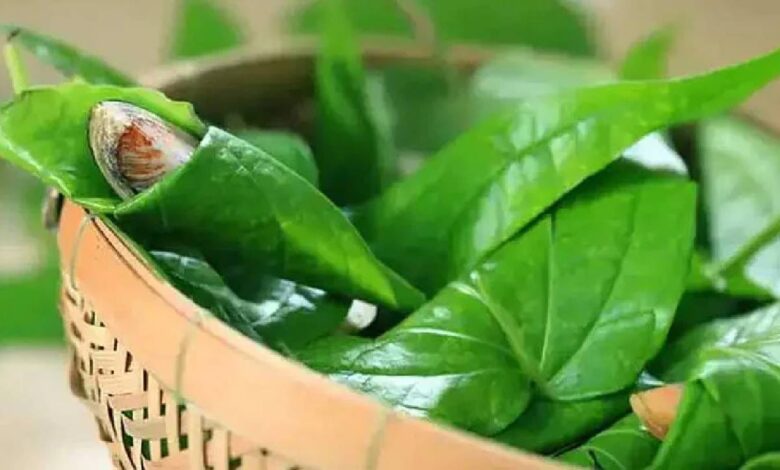
In many Indian households, the ritual of chewing betel leaf after a meal is more than just a cultural habit. Passed down through generations, this age old practice continues to hold relevance not only in ceremonies and celebrations but also in daily life for its reported health benefits.
Betel leaves are a common sight at weddings, religious rituals and festive gatherings, symbolizing prosperity and purity. However, beyond their spiritual value, health experts point out that these glossy green leaves are packed with natural compounds that can support overall wellbeing. They contain antibacterial, anti inflammatory and antioxidant properties that help the body fight infections and maintain internal balance.
One of the primary reasons elders recommend chewing betel leaf after meals is its positive impact on digestion. The nutrients present in the leaf stimulate digestive enzymes and support smoother bowel movements. Regular consumption in moderate amounts may help relieve common issues such as indigestion, bloating, gas, acidity and constipation. For many, it acts as a gentle digestive aid after heavy meals.
Betel leaf is also known to function as a natural mouth freshener. Bad breath is often caused by harmful bacteria in the mouth. Thanks to its antibacterial qualities, chewing the leaf can help reduce bacterial growth and leave the mouth feeling clean and refreshed. This simple practice can contribute to better oral hygiene without relying on artificial products.


Dental health is another area where betel leaf is believed to offer support. It contains vitamin C, which plays a role in strengthening gums. Some traditional practices suggest chewing it on an empty stomach in the morning to reduce gum bleeding and tooth discomfort. While modern dental care is essential, natural remedies like this remain popular in many communities.
Interestingly, experts also highlight its potential role in regulating blood sugar levels when consumed responsibly after meals. This may help lower the risk of developing complications related to high glucose levels. Additionally, the leaf contains compounds such as tannins and certain essential oils that are thought to assist the body in flushing out toxins, contributing to overall detoxification.
Mental wellbeing is another benefit often associated with this tradition. Many people report feeling relaxed and calmer after chewing betel leaf. Its mild stimulating effect may help reduce stress and improve mood, making it a soothing end to a busy day.
According to references cited by the American National Library of Medicine, betel leaf possesses natural bioactive compounds that may strengthen the immune system and help the body fight minor infections. In traditional Ayurvedic practices, it has long been used to address common concerns such as cough, cold, sore throat and oral discomfort.
While moderation is key and it should be consumed in its natural form without harmful additives, the humble betel leaf continues to bridge culture and wellness. What began as a ritual offering in ceremonies now stands as a reminder that many traditional habits were rooted in practical health wisdom.