
Betel Leaves Beyond Tradition Hidden Health Benefits Experts Want You to Know
Widely used in Indian traditions, betel leaves are now gaining attention for their medicinal value, offering digestive support, immunity benefits, and natural remedies when used carefully and in moderation
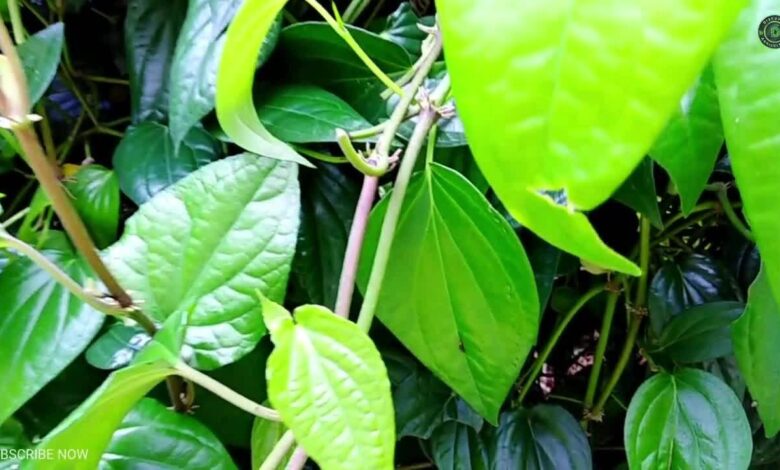
Betel leaves, long associated with Indian rituals and cultural practices, are now being revisited for their impressive health benefits. While many recognize them as part of traditional ceremonies, health experts say these leaves hold far more value than their symbolic role.
In many households, betel leaves have been used for generations, not just as a cultural offering but also as a natural remedy. From aiding digestion to improving oral hygiene, their uses extend into everyday wellness practices, though experts caution against excessive or habitual use.
One of the key benefits of betel leaves lies in their ability to support digestion. After consuming heavy meals, especially those rich in oil or sweets, chewing a betel leaf with a small amount of natural sweetener is believed to help break down food more efficiently. This can reduce bloating and discomfort while promoting smoother digestion.
Health practitioners also highlight their antibacterial and antifungal properties. These qualities help in improving oral health by reducing bad breath and preventing infections. Additionally, regular but controlled use may contribute to strengthening the immune system.


Betel leaves have also been traditionally used to address minor health issues in children. For instance, applying a gently warmed leaf with a small amount of oil on the stomach is considered a home remedy for relieving bloating and mild abdominal discomfort.
Another lesser known benefit is related to mineral absorption. Experts suggest that when used correctly with minimal additives, betel leaves may support better calcium absorption in the body. However, they emphasize that such practices should be done cautiously and in very small quantities.
Eye care is another area where traditional remedies involving betel leaves have been noted. Certain preparations using the leaves are believed to help reduce eye strain and heat, although such methods should be followed carefully and preferably under guidance.
Beyond health, the cultural importance of betel leaves remains deeply rooted. In traditional ceremonies, exchanging betel leaves symbolizes trust, respect, and agreement between families. Historically, they were even used to signify informal agreements in social and business settings.
In modern times, people are also experimenting with incorporating betel leaves into foods and drinks. From flavored buttermilk to unique snacks, these leaves are being used creatively while still retaining their nutritional value.
Despite their benefits, experts strongly advise moderation. Betel leaves should be treated as a natural remedy rather than a daily habit. Overuse or improper consumption may lead to unwanted health effects.
Nutritionists stress that understanding the right way to use such traditional ingredients is essential. When used wisely, betel leaves can offer a combination of cultural richness and health support.
As interest in natural and holistic health continues to grow, simple ingredients like betel leaves are finding renewed relevance. With proper awareness and balanced use, this traditional leaf can become a valuable addition to a healthy lifestyle.