Beyond Chest Pain Early Heart Attack Signals You Should Not Ignore
Rising heart attack cases among young adults highlight the need to recognize early warning signs beyond chest pain as timely medical attention can prevent serious complications and save lives nationwide
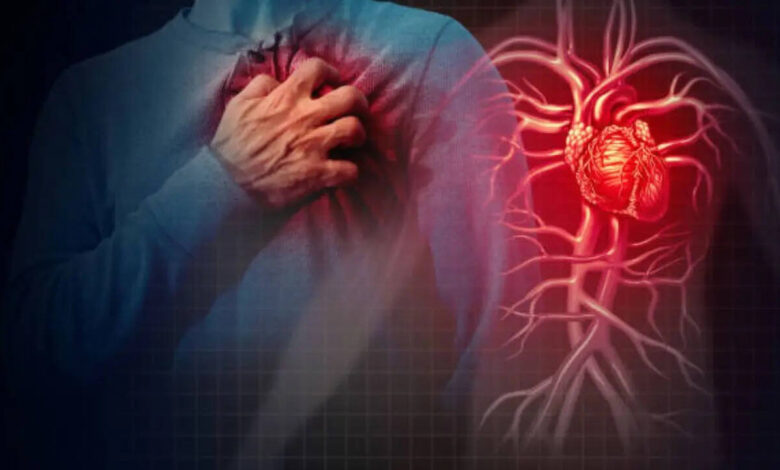
Heart related emergencies are no longer limited to older age groups. Doctors are increasingly reporting heart attack cases among young adults, a trend often linked to stress filled routines poor diet habits lack of physical activity and lifestyle changes. This growing concern has made awareness more important than ever.
Many people still believe that chest pain is the only clear sign of a heart attack. Medical experts warn that this assumption can be dangerous. In several cases, the body sends subtle signals well before a major cardiac event, but these are often ignored or mistaken for common problems like fatigue gas or anxiety.
According to cardiologists, sudden shortness of breath without heavy physical effort can be an early red flag. Unusual tiredness that appears without reason and does not improve with rest may also point toward heart trouble. These symptoms are especially important when they occur suddenly or feel different from routine exhaustion.
Pain or discomfort spreading to areas such as the left arm shoulder neck jaw or upper back is another warning sign many people overlook. Some individuals may also experience cold sweating nausea vomiting or a feeling of uneasiness. In certain cases, dizziness or unexplained anxiety can appear just before a cardiac episode.

Doctors note that women may experience different symptoms compared to men. Instead of sharp chest pain, women may report upper back pain abdominal discomfort breathlessness or extreme weakness. These signs are frequently misunderstood and delayed medical attention can increase risk.
Health experts stress that lack of information leads many people to dismiss these early warnings. Ignoring them or waiting for severe chest pain can prove fatal. Recognizing the signals early and seeking immediate medical care can significantly improve survival chances.
With heart attack cases rising among younger populations, doctors are urging people to listen to their bodies and take unusual symptoms seriously. Quick action at the right time can make the difference between life and loss.