

Black Plum Fruit Risks: Who Should Avoid Jamun and Why Experts Warn Caution
Jamun or black plum is rich in nutrients and widely loved in summer but experts warn it may not suit everyone and can even create serious health risks if consumed without care or limits
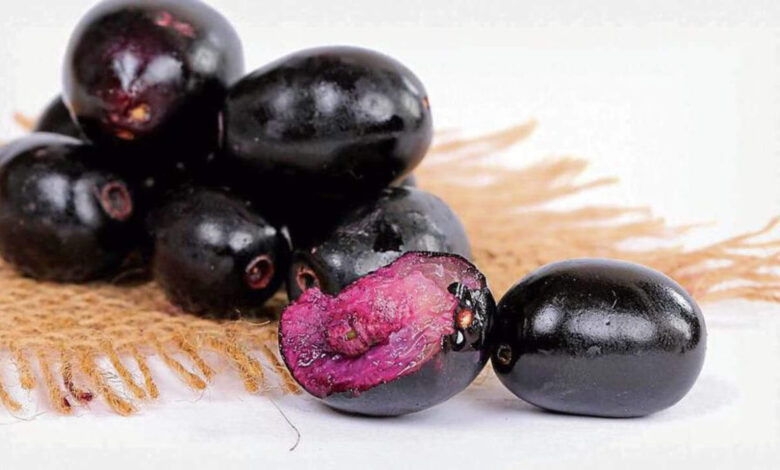
Summer brings along a familiar sight of vendors selling dark purple jamun fruits on roadside carts. Known for their rich taste and impressive nutritional value, these fruits are packed with vitamin C, iron, magnesium, and potassium. While they are often praised as a natural health booster, the reality is that jamun is not suitable for everyone and in some cases it may even become harmful.
One of the major concerns is its strong ability to lower blood sugar levels quickly. For people with diabetes, this effect can be beneficial when consumed in moderation. However, for individuals who are preparing for surgery or have recently undergone one, jamun can be risky. During medical procedures, stable blood sugar levels are crucial. Sudden drops caused by this fruit may lead to complications and in extreme cases, even loss of consciousness. Doctors usually advise avoiding jamun at least two weeks before any surgical procedure.
Pregnant women are also often advised to be cautious. Medical opinions vary, but some experts believe that compounds present in jamun may interfere with calcium absorption. In traditional Ayurvedic understanding, the fruit is also considered to generate internal heat. During pregnancy, excessive body heat is not recommended as it may affect overall comfort and health of the mother. For this reason, limited intake under medical supervision is usually suggested.
Another common issue arises when jamun is eaten on an empty stomach. The fruit has natural acidic properties that can lead to stomach irritation, acidity, or indigestion if consumed first thing in the morning. It is also strongly advised not to drink milk immediately after eating jamun. The combination is believed to cause digestive imbalance, leading to nausea or discomfort in some cases.


People suffering from respiratory conditions such as asthma, frequent colds, or chronic cough should also be careful. Jamun has a cooling effect on the body, but excessive consumption may increase mucus formation in the lungs, making breathing difficulties worse for sensitive individuals. Additionally, its high potassium content can be a concern for people with kidney disorders, as it may lead to imbalances that strain heart health.
Despite these concerns, jamun can still be enjoyed safely with the right approach. Eating it after meals rather than on an empty stomach is considered better for digestion. Some traditional practices suggest combining it with a pinch of salt or cumin powder to reduce digestive discomfort. Diabetic individuals often benefit more from the seed powder of jamun rather than the fruit itself, as it may help in better sugar control.
Ultimately, experts emphasize one simple principle. Even the healthiest fruit can become harmful when consumed without moderation. Jamun is no exception, and understanding personal health conditions is the key to enjoying it safely.