

Blood in Urine Could Signal Serious Illness Experts Urge Immediate Attention
Doctors warn that ignoring blood in urine may delay diagnosis of bladder cancer with studies showing early detection within days can significantly improve survival and prevent life threatening complications
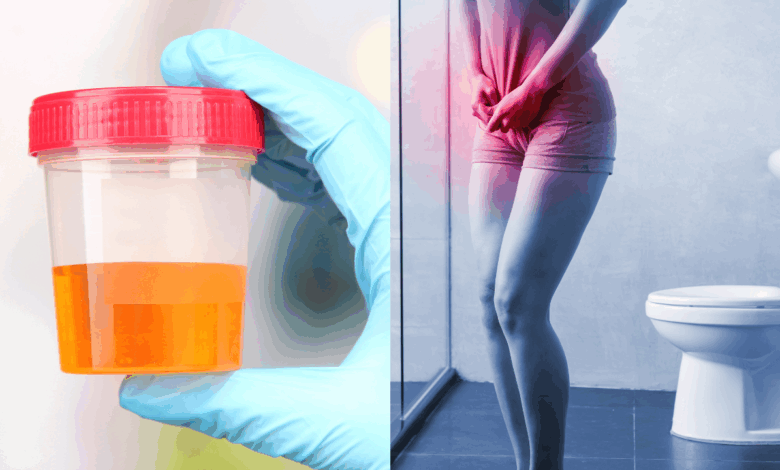
A seemingly minor change like blood in urine is often ignored or linked to temporary issues, but health experts are now urging people to take it seriously. Medical professionals say this symptom could be an early warning sign of Bladder cancer, a condition that can become life threatening if not detected in time.
Recent findings presented at the European Association of Urology Congress have highlighted the urgency of early diagnosis. The study, which analyzed data from thousands of patients across hundreds of hospitals worldwide, revealed that a significant number of individuals arriving at emergency departments with blood in urine were later diagnosed with cancer.
Researchers found that nearly one in four such cases could be linked to serious underlying conditions, including bladder cancer. More concerning is the fact that delays in diagnosis can prove fatal. In some cases, patients who did not receive timely testing faced severe outcomes within just a few months, underlining the importance of acting quickly.
Doctors explain that one of the biggest challenges with bladder cancer is its silent progression. In many early cases, there is no pain, which leads people to dismiss visible signs like pink, red, or cola colored urine. This painless bleeding often becomes the first and only warning before the disease advances.


Other symptoms may include frequent urges to urinate, a burning sensation during urination, or discomfort in the lower abdomen. In more advanced stages, patients might experience back pain, unexplained weight loss, and persistent fatigue. By the time these symptoms appear, treatment can become more complex.
Data from Indian Council of Medical Research shows that bladder cancer is among the notable cancers affecting men in India, though awareness remains low. Many cases are detected at later stages, reducing the chances of effective treatment.
Experts also point to lifestyle and environmental risk factors. Smoking is considered one of the leading causes, contributing to a large percentage of cases. Harmful chemicals from tobacco are filtered through the kidneys and stored in the bladder, increasing cancer risk over time. People working in industries involving dyes, rubber, leather, and paints may also face higher exposure to carcinogenic substances.
The encouraging part, doctors say, is that early detection can make a dramatic difference. When identified at an initial stage, survival rates improve significantly, with many patients able to lead normal lives after treatment. Simple diagnostic procedures such as imaging scans or cystoscopy can help confirm the condition early.
Medical professionals strongly recommend that anyone noticing blood in urine should consult a doctor within 48 hours. Ignoring the symptom or assuming it is harmless could lead to serious consequences. In matters of health, experts stress, even small warning signs deserve immediate attention.