

Can the Signs of Death Be Recognized in Advance Understanding What the Body Reveals
The human body often shows subtle physical and emotional changes in the final days of life allowing loved ones to prepare for a peaceful and dignified farewell with care and compassion

Life and death remain two of the most certain truths of human existence. While birth brings joy, the final stage of life often brings emotional pain for families, especially when they witness a loved one gradually weakening. Yet, nature provides several signs that may indicate when the body is nearing its final phase.
In many cases, the body begins to slow down its functions days before the end of life. Energy levels drop significantly and the desire for food or water decreases. Forcing nourishment at this stage can sometimes cause discomfort or breathing difficulties, making gentle care more important than insistence.
One of the most noticeable changes is increased sleep. A person may remain unconscious or asleep for most of the day, sometimes up to 20 hours. Communication with the outside world becomes minimal, and responses to voices or touch may fade gradually.
Breathing patterns also begin to change as the body weakens. Medical experts describe a pattern known as irregular breathing, where breathing becomes fast for a short period and then pauses for several seconds. At times, a soft rattling sound may be heard due to relaxation of throat muscles, which is commonly associated with the final stages.

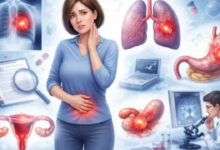
Another physical sign is a change in skin temperature and color. As blood circulation reduces, hands and feet may feel cold, and bluish or purplish marks may appear on the skin. These changes are natural as the body prioritizes vital organs during its final phase.
Alongside physical signs, emotional and mental changes are also observed. Some individuals may appear restless or agitated, while others may experience visions or speak about seeing deceased relatives. While these experiences can be emotionally difficult for families, they are often considered part of the natural process of transition.
During these moments, the role of family becomes deeply important. Even when a person appears unresponsive, hearing is believed to be the last sense to remain active. Speaking gently, sharing memories, and offering reassurance can bring comfort to the individual.
Creating a peaceful environment also matters greatly. Keeping the room calm, ensuring proper air circulation, and maintaining comfort can help reduce distress. Moistening the lips, protecting the eyes, and playing soft prayers or soothing music can add a sense of calmness.
It is equally important to avoid overcrowding or loud crying near the person, as excessive noise or emotional disturbance may cause discomfort. A quiet and respectful atmosphere is often the most supportive setting during this stage.
After the final moment, dignity continues to hold importance. Closing the eyes, positioning the body respectfully, and following cultural traditions reflect love and respect for the departed. While death cannot be prevented, the way it is experienced can be made peaceful and dignified through care, compassion, and understanding.