
Chia Seeds or Sabja Seeds Which One Supports Weight Loss Better
Chia and sabja seeds are gaining popularity in modern diets because of their fiber rich nutrition, digestion support and ability to keep people full for longer during weight loss journeys.
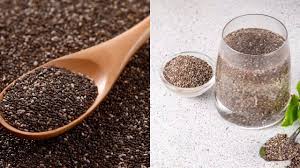
As more people struggle to lose weight despite strict diet plans and exercise routines, natural foods are once again becoming the center of attention. Among the most talked about ingredients in recent health trends are chia seeds and sabja seeds. These tiny seeds are now commonly seen in fitness diets, detox drinks and healthy breakfast bowls. While both are known for supporting weight management, nutrition experts say each one works differently inside the body.
Health specialists explain that both chia and sabja seeds are rich in soluble fiber, which expands after soaking in water. This process helps create a feeling of fullness, reducing unnecessary hunger cravings throughout the day. Because of this, many people are replacing unhealthy snacks with drinks and meals prepared using these seeds.
Chia seeds are often preferred by fitness enthusiasts because of their protein and healthy fat content. Experts say they support long term weight management by slowing digestion and providing sustained energy. Many nutritionists believe chia seeds are especially useful for people trying to avoid overeating or frequent snacking. When consumed regularly as part of a balanced diet, they may help improve appetite control naturally.
Sabja seeds, also known as basil seeds, are popular for a different reason. They are widely known for their cooling properties and are commonly used during hot weather. Apart from helping with weight management, these seeds are believed to support digestion and reduce bloating. Many people include them in summer drinks because they help the body feel refreshed while also improving gut health.


Nutrition experts point out that both seeds offer hydration benefits because they absorb water quickly and develop a gel like texture. This quality helps support digestion and can make meals feel more filling. However, specialists warn that results depend greatly on how the seeds are consumed and whether they are combined with a healthy lifestyle.
Doctors and dieticians stress that proper preparation is important before eating either seed. Chia seeds should ideally be soaked overnight in water or milk to unlock their nutritional benefits and improve digestion. Sabja seeds require less preparation time and usually become ready within 15 to 20 minutes of soaking. Experts advise against eating these seeds dry because they may cause digestive discomfort in some individuals.
People with low blood pressure or severe digestive conditions are also advised to consult a doctor before making these seeds a regular part of their diet. Health professionals say moderation is key, as excessive consumption may create unwanted side effects instead of health benefits.
Recent lifestyle trends show that more people are turning to simple natural ingredients instead of depending entirely on commercial diet products. Chia and sabja seeds are becoming common additions in smoothies, yogurt bowls, lemon drinks and breakfast recipes because they are easy to include in daily meals.
Experts say there is no single winner between the two seeds because each offers unique benefits. Chia seeds may be more suitable for those looking for protein support and long lasting energy, while sabja seeds may work better for digestion and cooling the body during summer. Choosing between them often depends on individual health needs, body type and dietary habits.
Fitness coaches believe that no superfood alone can guarantee weight loss. Consistent exercise, balanced meals, proper hydration and healthy sleep patterns remain equally important. Still, these small seeds are proving that simple traditional ingredients can play a valuable role in modern wellness routines when used correctly.