Chia Seeds vs Sabja Seeds Hidden Risks and Benefits You Should Know Before Eating
Chia and sabja seeds are popular summer superfoods but experts warn improper consumption can cause health issues including choking digestive problems and complications for people with certain medical conditions
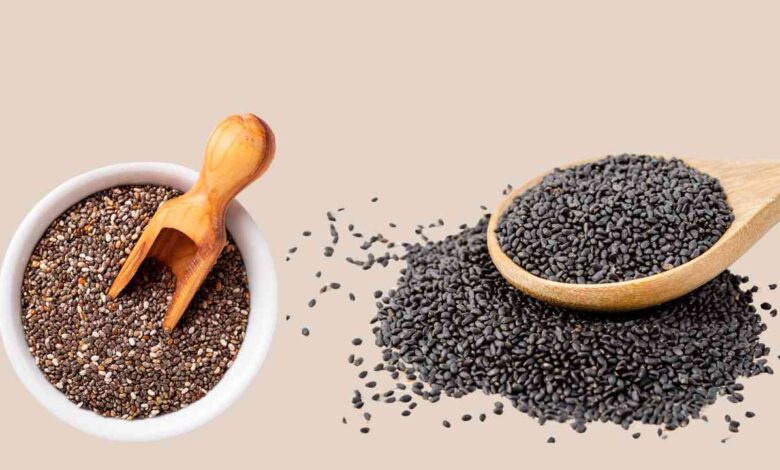
As temperatures rise, many people look for simple ways to stay cool and hydrated. While packaged drinks remain a popular choice, traditional options like chia seeds and sabja seeds are gaining renewed attention for their natural health benefits. However, experts caution that these tiny seeds must be consumed correctly to avoid unexpected risks.
Both chia and sabja seeds may look similar at first glance, but they differ in how they function in the body and how they should be used. Nutritionists highlight that these seeds are packed with essential nutrients including fiber, protein, calcium, iron, and omega fatty acids. This makes them beneficial for digestion, heart health, and overall wellness.
One of the key advantages of these seeds is their cooling effect, especially in summer. Sabja seeds, in particular, are known for helping regulate body temperature and providing relief from heat. Chia seeds, on the other hand, are often linked to sustained energy and improved metabolism.
Despite their benefits, consuming them incorrectly can lead to problems. Experts strongly advise against eating these seeds dry. When not soaked, they can expand after entering the throat, increasing the risk of choking. This is one of the most common mistakes people make while trying to include them in their diet.


The correct method is simple but essential. Soaking the seeds in water for several hours or overnight allows them to form a gel like texture, making them safe and easier to digest. Once prepared, they can be added to drinks, yogurt, smoothies, or even coconut water for a refreshing boost.
Moderation is another important factor. Health professionals recommend limiting intake to small quantities each day. Overconsumption, especially due to their high fiber content, can lead to bloating, discomfort, or digestive issues. Drinking enough water alongside them is equally important to support proper digestion.
Certain individuals need to be particularly cautious. People with kidney related conditions may face complications due to electrolyte imbalances, and experts often advise them to avoid chia seeds altogether. Similarly, individuals with food allergies should introduce these seeds carefully, as they may trigger reactions in some cases.
Those who are on long term medication or dealing with chronic health conditions are encouraged to consult a doctor before making these seeds a regular part of their diet. While they are natural, their impact can vary depending on individual health conditions.
Chia and sabja seeds can be powerful additions to a summer diet when used wisely. They offer hydration, nutrition, and digestive support, but only when consumed in the right way. Understanding both their benefits and limitations helps ensure they remain a healthy choice rather than a hidden risk.