

Cholesterol Control Strategies That Can Protect Your Heart Health
New medical guidance highlights five effective ways to reduce artery blocking plaque improve circulation and lower heart risks through lifestyle changes early screening and targeted treatment approaches
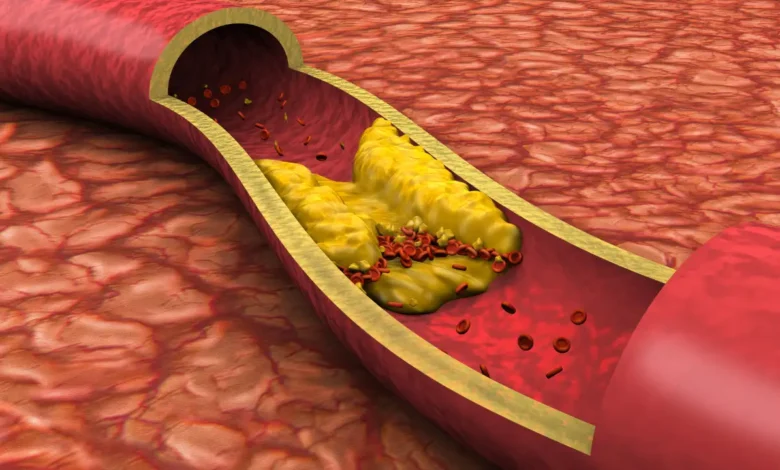
The danger of rising cholesterol often goes unnoticed until it leads to serious complications. Health experts warn that this silent buildup inside blood vessels can gradually restrict blood flow and increase the risk of heart attack or stroke without showing early symptoms.
Recent recommendations from the American Heart Association emphasize that cholesterol should not be viewed as just a number on a report. Instead it must be managed as a key factor in long term heart protection. Doctors say early awareness and consistent monitoring can significantly reduce risks.
One of the most important steps is regular screening. Medical professionals advise that adults should begin cholesterol testing from the age of twenty. Even those with low risk should repeat tests every few years to catch any gradual increase before it becomes dangerous.
Understanding cholesterol is equally important. While the body needs it for hormone production and cell function, excess levels of low density lipoprotein often called bad cholesterol can stick to artery walls. Over time this leads to plaque formation narrowing the arteries and disrupting blood flow.


Lifestyle choices remain the first line of defense. Reducing intake of saturated fats and processed foods combined with regular physical activity can naturally bring cholesterol levels under control. Experts recommend at least thirty minutes of brisk walking daily to improve good cholesterol and support heart function.
In cases where lifestyle changes are not enough, doctors may prescribe medications such as Statins. These drugs help reduce cholesterol production in the liver and have been shown to lower the risk of heart related complications significantly.
Treatment is not the same for everyone. Physicians consider factors like age family history and conditions such as Diabetes before suggesting a plan. For patients who still face high risk despite medication newer therapies including advanced drugs or injections may be recommended.
Certain warning signs should never be ignored. Persistent chest discomfort unexplained fatigue shortness of breath and yellowish fatty deposits around the eyes can indicate underlying cholesterol issues. Recognizing these symptoms early can help prevent severe outcomes.
Experts stress that managing cholesterol is a long term commitment rather than a quick fix. A balanced diet consistent exercise and timely medical advice together form the foundation for a healthier heart and a longer life.