

Collagen Supplements Under Scrutiny as Experts Warn of Hidden Health Risks
Growing popularity of collagen supplements for skin and hair raises concerns among experts who warn about possible side effects and emphasize safer natural ways to support body protein production
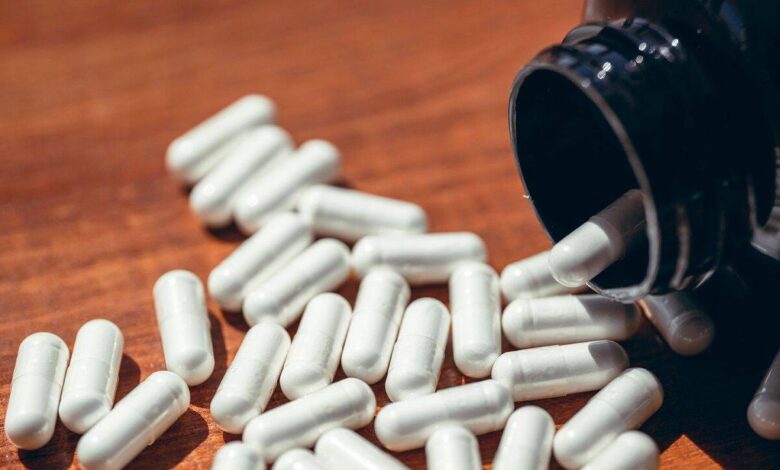
Collagen supplements have rapidly gained popularity among people chasing youthful skin, stronger hair, and healthier nails. Marketed as an easy solution for aging concerns, these powders, drinks, and capsules are now widely consumed. However, health experts are urging caution, pointing out that these products may not be as harmless as they appear.
Collagen is a naturally occurring protein in the human body that plays a key role in maintaining skin elasticity, bone strength, and joint health. As people age, collagen production gradually declines, leading to visible signs like wrinkles and reduced skin firmness. While supplements promise to restore this loss, their effectiveness and safety can vary widely from person to person.
One of the major concerns linked to collagen supplements is their impact on digestion. Some users report issues such as bloating, acidity, and nausea, particularly when taken in high doses. These symptoms can disrupt daily life and may worsen in individuals with sensitive digestive systems.
Another potential risk involves allergic reactions. Marine based collagen, commonly derived from fish, can trigger reactions in individuals with seafood allergies. Symptoms may include itching, rashes, or throat discomfort, making it essential for users to carefully check product sources before consumption.


There are also concerns about product quality. Low grade supplements may contain traces of heavy metals such as lead, which can accumulate in the body over time and pose serious long term health risks. This makes it crucial to choose trusted brands, though even then, complete safety is not always guaranteed.
Kidney health is another factor to consider. Since collagen supplements increase protein intake, they can put additional strain on the kidneys, especially in individuals who already have underlying kidney conditions. Excess protein may not be processed efficiently, leading to further complications.
Despite these risks, many experts believe that the body can naturally maintain healthy collagen levels with the right lifestyle choices. A balanced diet rich in vitamin C and protein can support collagen production effectively. Foods like citrus fruits, berries, bell peppers, eggs, fish, and legumes help the body build and maintain this essential protein.
Lifestyle habits also play a significant role. Limiting excessive sun exposure, avoiding smoking, maintaining regular exercise, and ensuring proper sleep can all contribute to healthier skin and improved protein synthesis within the body.
Doctors emphasize that collagen supplements are not a guaranteed solution for aging and should not replace a healthy lifestyle. Anyone considering these products should consult a medical professional before use. In the long run, consistent dietary habits and mindful living remain the most reliable path to maintaining both health and natural beauty.