

Copper Vessel Water Is Popular for Health but Not Safe for Everyone
Drinking water stored in copper vessels is considered beneficial in traditional practices, but health experts warn that certain people including children and those with medical conditions should avoid it.
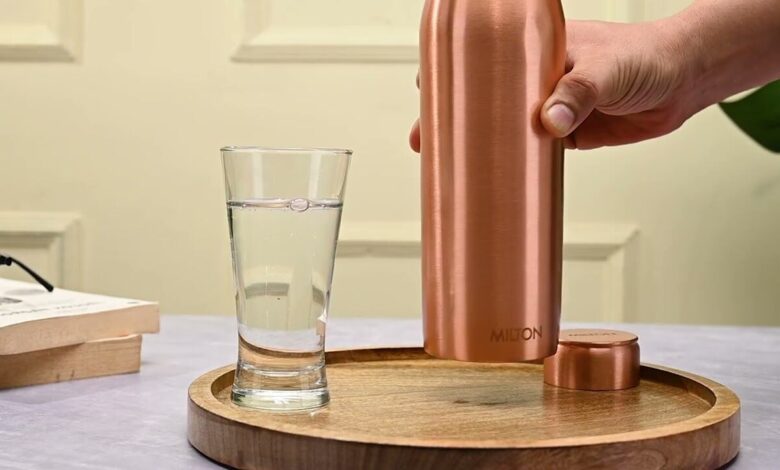
For generations many households have followed the practice of drinking water stored in copper vessels, believing it supports overall health. Traditional systems such as Ayurveda recommend adequate daily hydration and often highlight the potential benefits of storing water in copper containers. However, health experts say this practice may not be suitable for everyone.
In general, adults are advised to drink around two to three liters of water every day to maintain proper hydration. Some people prefer copper vessels because they believe the metal helps purify water and adds beneficial trace minerals. While small amounts of copper can indeed play a role in the body’s normal functions, excessive intake may create health complications.
One of the concerns is that the human body can absorb only a limited quantity of copper. If someone consumes copper infused water in large amounts for long periods, the metal may accumulate in the body. This could lead to symptoms such as nausea, stomach discomfort, diarrhea and digestive disturbances.
People suffering from kidney or liver related illnesses need to be particularly cautious. These organs help filter unwanted substances from the blood. When kidney or liver function is already compromised, processing extra copper may become difficult. In such cases, copper accumulation in the bloodstream could potentially interfere with normal detoxification processes.


Another group that may face issues includes individuals taking medication for Diabetes. Some experts believe that copper rich water might influence how certain medicines work in the body. In addition, many diabetes patients already have sensitive kidneys, and excessive copper exposure could add unnecessary strain.
People who naturally experience higher body heat or conditions related to digestive acidity may also want to limit their intake of copper stored water. Since water kept in copper containers is believed to slightly increase internal heat levels, it may worsen symptoms such as heartburn, stomach irritation or skin rashes in sensitive individuals.
Children are another group that should be careful. Their digestive systems are still developing and may not process minerals as efficiently as adults. Drinking copper infused water regularly could place extra stress on their digestive system and may lead to issues such as vomiting, indigestion or stomach upset.
Moderation is the key when it comes to this traditional practice. Drinking copper vessel water occasionally may not pose problems for healthy adults, but relying on it as the only source of drinking water throughout the day can increase copper intake beyond recommended levels.
Health professionals emphasize that understanding personal health conditions is essential before adopting such practices. Anyone with chronic illness, digestive problems or ongoing medication should consult a medical professional before making copper vessel water a daily habit.
For most people, regular clean drinking water remains the safest and simplest option to stay hydrated. Traditional methods may offer benefits when used carefully, but they should always be balanced with modern medical advice and individual health needs.