

Deadly Andes Virus Scare Triggers Global Alert After Cruise Ship Outbreak
A rare Andes virus outbreak aboard a luxury cruise ship has raised international concern after multiple deaths, prompting quarantine measures, global tracking efforts, and renewed attention on respiratory infections worldwide.
A luxury cruise journey that began as a dream trip to Antarctica has now turned into an international health concern after a rare and dangerous virus was detected onboard. The outbreak has drawn attention from health agencies across the world, including the World Health Organization, after several passengers reportedly developed severe respiratory symptoms during the voyage.
The incident involved the MV Hondius cruise ship, which departed from Ushuaia in Argentina with nearly 150 passengers and crew members onboard. The ship was headed toward Antarctica when the first signs of illness appeared. According to reports, one traveler initially complained of high fever and breathing difficulties. Within days, more passengers began showing similar symptoms, raising alarm among the crew and medical staff.
What was first believed to be a routine viral infection soon turned serious. Multiple passengers reportedly collapsed during the journey and at least three deaths were linked to the outbreak. Some critically ill individuals were evacuated for emergency medical care in South Africa as authorities rushed to identify the cause of the illness.
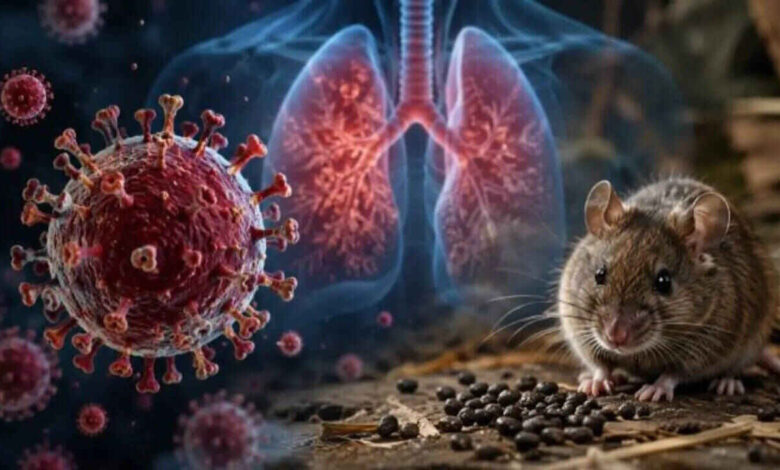
Medical investigations later confirmed the presence of Hantavirus Pulmonary Syndrome caused by the Andes virus strain. Health experts say this particular strain is considered more dangerous because, unlike most hantaviruses, it may spread from person to person in rare situations. That possibility immediately pushed global health agencies into high alert mode.

Following the confirmation of the virus, the cruise ship was isolated near Cape Verde and converted into a temporary quarantine zone. Crew members began operating in full protective equipment while suspected patients were moved into separate cabins. Authorities also started tracing passengers who had already left the ship and traveled onward to countries in Europe, North America, and other regions before the virus was officially identified.
Several countries, including the United States, Germany, Switzerland, South Africa, and the United Kingdom, have reportedly started monitoring possible suspected cases connected to the cruise. Some travelers are said to be under medical observation while health officials continue contact tracing efforts to prevent further spread.
Doctors explain that hantaviruses are commonly linked to rodents and can spread through exposure to contaminated droppings, urine, or saliva. In many cases, people become infected after inhaling virus particles mixed with dust. Early symptoms often resemble flu and include fever, headache, body pain, and fatigue. In severe cases, the infection attacks the lungs and can lead to dangerous breathing complications.
One of the biggest concerns for health experts is the absence of a dedicated vaccine or specific antiviral treatment for the Andes virus. At present, patients are mainly treated with supportive medical care such as oxygen support and intensive monitoring in hospitals. Specialists warn that some strains of hantavirus can carry a high fatality rate if not treated quickly.
International reports have also mentioned concerns about two Indian passengers who were believed to be onboard the cruise. Authorities are reportedly working to trace their movements and ensure proper health checks are carried out.
Despite the growing attention around the incident, the World Health Organization has urged people not to panic. Officials clarified that the Andes virus does not spread as easily as diseases such as COVID 19 and that human to human transmission remains uncommon. Public health experts say the overall risk to the general population is currently considered low, though monitoring efforts remain active.
The incident has once again highlighted how quickly infections can create concern in an interconnected world where international travel allows diseases to move across borders within hours. Health authorities are continuing investigations while passengers and crew remain under observation.