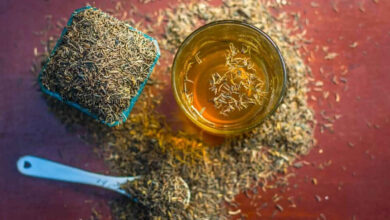
Do Not Ignore These Simple Leaves Experts Call Ajwain a Natural Health Booster
Rich in vitamins A and C selenium and zinc ajwain leaves support digestion ease cough aid weight control relieve menstrual discomfort and offer immune support when consumed regularly in moderation
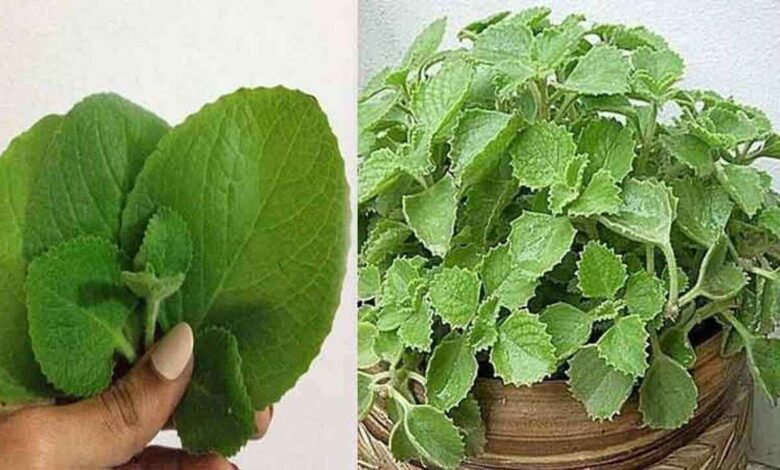
In many Indian homes, a small green plant growing quietly in the corner of a balcony or kitchen garden often goes unnoticed. Yet health experts say these humble ajwain leaves carry remarkable medicinal value and deserve far more attention than they usually receive.
Known in different regions by local names such as doddapatre or Indian borage, and traditionally referred to as karpooravalli in Sanskrit, ajwain leaves have long been part of home remedies. For generations, families have relied on them to ease common ailments without rushing to the pharmacy.
One of the strongest benefits of ajwain leaves lies in digestive support. Packed with natural compounds and antioxidants, the leaves are known to improve appetite, reduce acidity and promote smoother digestion. People dealing with bloating, indigestion or mild stomach pain often turn to these leaves as a quick household solution. The natural properties help relax abdominal muscles and may reduce symptoms like gas and constipation.
Nutrition experts highlight that ajwain leaves are rich in essential nutrients including vitamins A and C along with selenium and zinc. These nutrients contribute to better metabolism and improved immune response. During seasonal changes, when coughs and colds become common, many households use ajwain leaves to prepare simple herbal remedies that soothe the throat and control mild respiratory discomfort.


The leaves are also traditionally used to relieve menstrual discomfort and mild diarrhea. Some people consume them as part of weight management routines, as they are believed to support better digestion and reduce water retention. In certain home practices, crushed leaves are even applied for minor tooth discomfort or used in remedies for breastfeeding related issues.
Beyond medicine, ajwain leaves have a place in the kitchen as well. They are often dipped in gram flour batter and fried as fritters, turning into a popular snack. The leaves can also be chopped into salads, added to soups or eaten raw in small quantities. Ayurvedic practitioners often suggest drinking ajwain leaf decoction or herbal tea in the morning to maximize its benefits.
Interestingly, the plant is easy to grow and requires minimal care. There are generally two varieties, one with thick broad green leaves and another variegated type often grown for decorative purposes. Both varieties are considered useful for their health benefits. The strong aroma of the plant is also believed to act as a natural mosquito repellent, helping keep insects away from homes.
With growing interest in natural living and preventive healthcare, experts encourage people to rediscover such traditional plants. Cultivating ajwain in a small kitchen garden can be a simple step toward embracing herbal wellness. Sometimes, the most powerful remedies are already growing within reach.