

Doctors Warn Against Ignoring Heat Stroke During Rising Summer Temperatures
AIG Hospitals launched a heat awareness campaign in Hyderabad urging people to identify heat stroke symptoms early and seek immediate treatment to avoid life threatening complications.
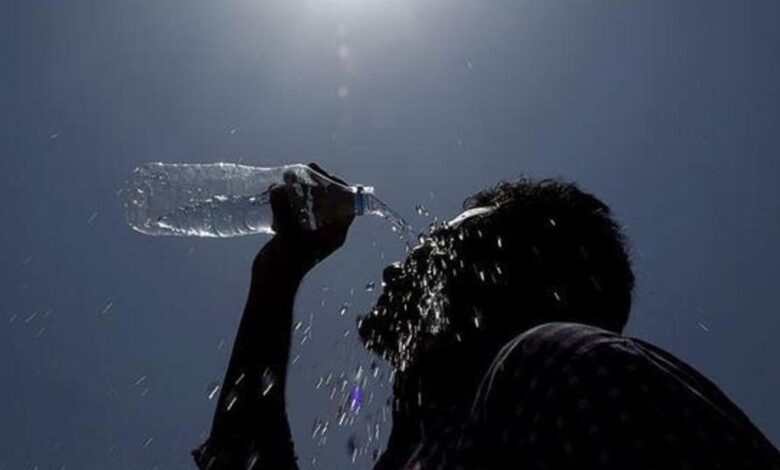
- Heat stroke symptoms need quick treatment
- AIG Hospitals launches Beat the Heat campaign
- Doctors warn against summer dehydration risks
As temperatures continue to rise across Hyderabad and other parts of Telangana, doctors are warning people not to ignore signs of heat stroke, describing it as a medical emergency that can quickly affect the brain, heart and kidneys if treatment is delayed.
AIG Hospitals on Wednesday launched a public awareness initiative called Beat the Heat to educate people about the dangers of extreme heat exposure and the importance of early medical attention. Doctors participating in the campaign said many people mistake heat stroke for simple dehydration or exhaustion, which often leads to dangerous delays in treatment.
AIG Hospitals Chairman Dr Nageswara Reddy explained that heat stroke occurs when the body’s temperature control system completely fails. Normally, the body cools itself through sweating during high temperatures. However, in severe heat stroke cases, sweating may stop entirely even while the person remains exposed to extreme heat, which doctors describe as a serious warning sign.
Medical experts said the condition may initially begin with symptoms such as weakness, dizziness, nausea and fatigue. As the situation worsens, patients can develop confusion, slurred speech, breathing difficulty, seizures and even loss of consciousness. Doctors advised people not to ignore chest discomfort, severe tiredness or fainting episodes during hot weather conditions.


According to specialists, the first few minutes after identifying heat stroke symptoms are extremely important. Instead of waiting for an ambulance, people should immediately move the affected person to a shaded or cool area and improve air circulation around them. Doctors advised wiping the body with a wet cloth and placing ice packs around the neck, armpits and groin areas to rapidly reduce body temperature.
Experts also warned that extreme heat places heavy stress on the heart because the body pumps more blood in an attempt to cool itself. At the same time, dehydration lowers blood volume, increasing strain on vital organs. Elderly people, children, pregnant women, outdoor workers and those with existing health conditions were identified as the most vulnerable groups during the summer season.
Doctors advised the public to drink water regularly without waiting to feel thirsty. They recommended consuming at least seven to eight glasses of water daily along with fluids such as buttermilk, coconut water and lemon juice to maintain hydration levels.
People were also advised to avoid direct sun exposure between 11 am and 4 pm when temperatures remain at their peak. Wearing loose cotton clothes in light colours can help the body remain cool during hot weather.
Health experts further cautioned against consuming alcohol and caffeinated drinks during extreme heat because they increase dehydration risk. Parents and pet owners were strongly warned not to leave children or animals inside parked vehicles, where temperatures can rise rapidly and become life threatening within minutes.