

Doctors Warn Late Night Eating and Sleeping Immediately After Dinner Can Harm Heart Health
Health experts warn that sleeping soon after dinner can disturb digestion raise blood pressure and increase heart risks highlighting the importance of maintaining a three hour gap between meals and bedtime.

Modern lifestyles have significantly changed daily eating habits and meal timings. Many people finish dinner late at night due to work pressure traffic or extended screen time on phones and laptops. For convenience they often go to bed immediately after eating. However medical experts warn that this routine could quietly damage heart health over time.
Cardiology specialists say the human body follows a natural internal clock known as the circadian rhythm. This biological rhythm controls various functions including digestion metabolism and sleep. During daytime the digestive system works efficiently but at night the body gradually prepares for rest. When food is consumed just before bedtime the body struggles to process it during a period meant for recovery and relaxation.
According to doctors maintaining at least a three hour gap between dinner and sleep is important for overall health. This guideline often referred to as the three hour dinner rule helps the body digest food properly and reduces unnecessary stress on the cardiovascular system.
Medical professionals explain that eating late at night may lead to increased blood sugar and fat levels in the bloodstream. When the body cannot process these nutrients effectively the heart and blood vessels may experience additional strain. Over time this pattern may increase the risk of cardiovascular conditions including heart attacks.

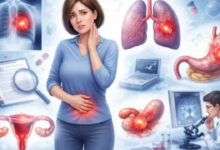
Another concern is the effect on sleep quality. Lying down immediately after eating can cause stomach acids to move back toward the food pipe leading to acidity heartburn and discomfort. Poor digestion at night can interrupt deep sleep which may result in fatigue stress and inflammation in the body.
Weight gain is also commonly linked with late night eating. Studies from the National Institutes of Health suggest that eating late can increase hunger related hormones while reducing the body ability to burn calories efficiently. As a result people may gradually gain weight which is another risk factor for heart disease.
Health experts recommend simple lifestyle adjustments to reduce these risks. Finishing dinner earlier in the evening ideally before seven or eight at night can make a significant difference. Choosing lighter meals such as vegetables whole grains and lean protein also helps the digestive system work smoothly.
A short walk after dinner is another helpful habit. Gentle movement supports digestion helps stabilize blood sugar levels and prevents the feeling of heaviness after eating.
Doctors emphasize that small daily habits can have a major impact on long term health. By adjusting meal timing and giving the body enough time to digest food before sleep people can protect heart health improve sleep quality and maintain a healthier lifestyle.