
Doctors Warn Smoking Can Damage Every Organ in the Body and Raise Heart Risks
Cardiovascular experts caution that smoking harms not only the lungs but nearly every organ in the body increasing risks of heart disease stroke and long term health complications.

Health experts continue to warn that certain everyday habits can silently damage the human body. Among them smoking remains one of the most dangerous lifestyle choices. Cardiovascular surgeon Jeremy London, who has spent more than two decades performing heart surgeries, says there is one habit he has always avoided completely smoking.
According to Dr London smoking is one of the most harmful actions a person can do to their own body. While many people associate cigarettes mainly with lung disease, doctors stress that the impact goes far beyond the respiratory system. Harmful chemicals present in cigarettes can affect nearly every organ including the heart blood vessels brain and reproductive system.
Medical professionals explain that smoking damages the inner lining of blood vessels. This damage reduces the ability of blood to carry sufficient oxygen throughout the body. As oxygen levels fall the heart has to work harder to pump blood which increases strain on the cardiovascular system.
Over time this stress may lead to serious medical conditions such as heart attacks strokes and chronic heart disease. Experts emphasize that smoking remains one of the leading causes of preventable deaths worldwide due to its widespread impact on overall health.

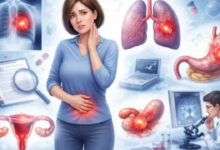
Research published in the medical journal Cureus also highlights how smoking affects multiple systems in the body. Studies show that tobacco use can weaken the respiratory system disrupt blood circulation and contribute to reproductive health problems.
Another serious concern is passive smoking. Even individuals who do not smoke themselves can suffer health consequences if they regularly inhale smoke from others. Exposure to secondhand smoke can increase the risk of lung disease cardiovascular problems and respiratory infections.
Doctors also warn that nicotine addiction makes quitting difficult for many people. However they emphasize that stopping smoking remains one of the most powerful steps someone can take to protect their health. Within months of quitting the body begins to repair damaged tissues and improve blood circulation.
Dr London notes that despite the challenges of overcoming nicotine dependence the long term health benefits are far greater than the temporary satisfaction of smoking. Preventing disease through lifestyle changes often proves far more effective than treating serious health conditions later through complex surgeries.
Health experts encourage individuals to seek support through counseling lifestyle adjustments and medical guidance if they are trying to quit smoking. By giving up this single harmful habit people can significantly reduce their risk of heart disease improve lung function and protect the health of nearly every organ in the body.