

Does Watermelon Really Clean Kidneys Experts Explain the Truth
Nutrition specialists say watermelon supports hydration and overall health but does not directly cleanse kidneys advising balanced consumption especially for those with existing kidney related medical conditions
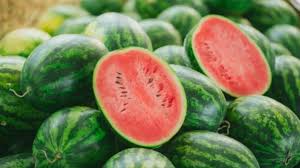
As summer temperatures rise, fruits like watermelon are becoming a daily staple for many households. Known for its high water content and refreshing taste, watermelon is often seen as a natural way to stay cool and hydrated. However, questions continue to surface about whether it plays a direct role in improving kidney health.
Health experts say the idea that watermelon can cleanse the kidneys is largely a misconception. While the fruit is beneficial in many ways, it does not perform any direct detoxification of the kidneys. The human body already has a natural system in place, where the kidneys themselves handle the process of filtering and cleaning waste from the blood.
According to nutrition specialists, including insights shared by Dr Anamika Gaur, watermelon can still support overall health when consumed in moderation. With nearly 90 percent water content, it helps maintain hydration levels, which is important for proper kidney function. Staying hydrated ensures that the kidneys can perform their tasks efficiently.
The fruit also contains essential nutrients such as vitamin C and potassium, both of which contribute to general wellbeing. Additionally, watermelon includes certain amino acids that may help reduce strain on the kidneys and support smoother metabolic processes. These properties make it a healthy addition to a balanced diet, especially during hot weather.


For individuals already dealing with kidney related conditions, experts recommend caution rather than avoidance. Watermelon can usually be consumed in limited quantities, but only after consulting a healthcare professional. The exact amount depends on the severity of the condition and overall dietary needs.
Another point often overlooked is that while watermelon helps replenish fluids, it is not a cure for kidney diseases or a substitute for medical treatment. Relying solely on such remedies without proper guidance may lead to complications.
Doctors emphasize that maintaining kidney health requires a broader approach, including a balanced diet, regular hydration, and medical supervision when necessary. While watermelon can certainly be part of a healthy lifestyle, it should not be viewed as a standalone solution for serious health concerns.
As awareness around nutrition grows, experts encourage people to separate facts from myths. Enjoying seasonal fruits like watermelon can be beneficial, but understanding their real role in the body is equally important for making informed health choices.