Eating Guava With the Peel May Offer More Health Benefits Experts Say
Nutrition experts say guava is one of the most nutrient rich fruits available at a low cost, and eating it with the peel may provide additional vitamins, fiber and immune boosting benefits.
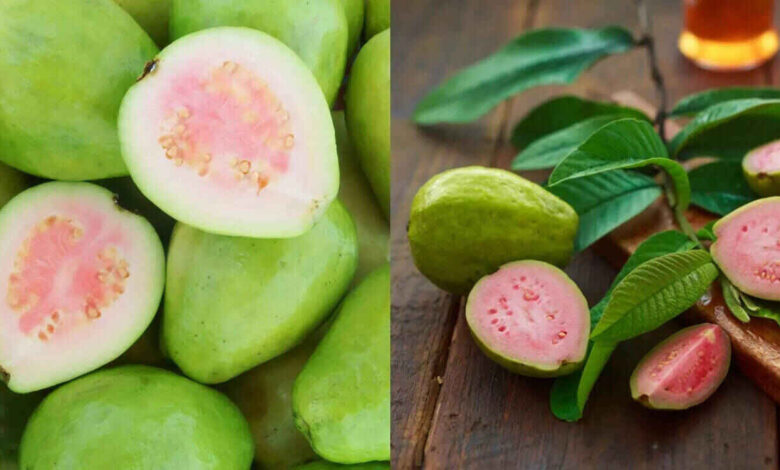
Guava is often described by nutrition experts as one of the most affordable yet highly nutritious fruits available. Packed with essential vitamins, minerals and fiber, the fruit has long been a common part of everyday diets in many households. Because of its rich nutritional value and low price, guava is sometimes referred to as the apple for the common man.
Despite its popularity, many people still wonder about the right way to eat guava. A common question is whether the fruit should be eaten after removing the peel or whether consuming it with the skin is more beneficial. According to nutrition specialists, eating guava along with its peel can provide greater health advantages.
Experts explain that the peel of guava contains a significant amount of important micronutrients. Potassium, zinc and vitamin C are found in higher concentrations in the outer layer of the fruit. These nutrients play an important role in strengthening the immune system and supporting healthy skin. Consuming the peel therefore helps the body absorb more of these beneficial compounds.
Guava itself is also known for being rich in vitamins such as A, B, C and K. In addition, the fruit provides a high amount of dietary fiber, which supports digestive health and helps maintain regular bowel movements. Because of this nutritional profile, guava is widely recommended as part of a balanced diet.


Nutritionists also highlight that both raw guava and fully ripe guava offer health benefits, though each may suit different dietary needs. Slightly raw guava, which is firmer and less sweet, is often suggested for people who are trying to manage their weight. It may also help strengthen teeth due to its firm texture.
People living with diabetes are sometimes advised to prefer the less ripe version of the fruit. Since it is lower in sugar compared to fully ripe guava, it may be easier to include in controlled portions as part of a diabetic friendly diet.
On the other hand, ripe guava has a softer texture and a naturally sweet taste. This makes it easier for children and older adults to consume. Ripe guava is also easier to digest and still offers plenty of antioxidants and vitamin C that support overall health.
For older individuals in particular, regular consumption of guava may support heart health. The fruit contains natural compounds such as polyphenols and flavonoids which help reduce inflammation in the body. These compounds may also help protect the heart by supporting healthy blood circulation.
Experts emphasize that guava remains beneficial regardless of whether it is eaten raw or ripe. However, they recommend consuming it with the peel whenever possible in order to gain the full nutritional value of the fruit. At the same time, individuals should choose between raw and ripe guava depending on their health needs and digestive comfort.
By including guava regularly in the diet and eating it in the right way, people can benefit from a fruit that is both nutritious and easily accessible, offering support for immunity, digestion and overall wellbeing.