

Ensuring Healthy Growth in Children: How to Tackle Iron and Calcium Deficiency Effectively
Children’s proper nutrition is critical for physical and mental development deficiencies in iron and calcium can lead to fatigue weak bones and delayed growth simple dietary adjustments and supplements can prevent serious health issues
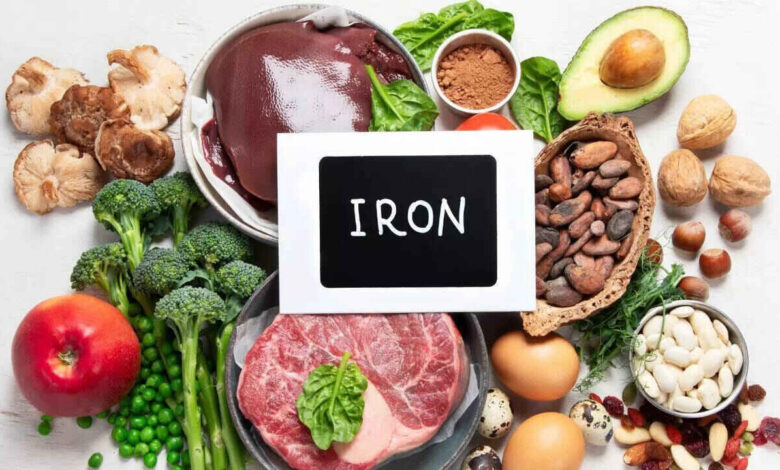
Children’s health is closely tied to their nutrition, and even mild deficiencies in essential minerals can have lasting effects. Among the most common concerns are low iron and calcium levels, which often develop gradually and may go unnoticed in the early stages. Parents may not immediately recognize the subtle signs, but timely intervention can prevent long-term health complications.
Iron deficiency in children can reduce hemoglobin levels, limiting oxygen transport in the body. This often results in fatigue, low energy, pale skin, loss of appetite, and, in some cases, irritability. Addressing iron deficiency involves incorporating iron-rich foods into a child’s diet, including leafy greens like spinach and fenugreek, legumes, pulses, jaggery, dates, and fruits such as pomegranate and apples. Pairing these with vitamin C-rich foods like oranges and lemons can enhance iron absorption significantly.
Calcium deficiency primarily affects bone strength, dental development, and muscle health. Signs include weak bones, delayed teething, frequent falls, and muscle weakness. To strengthen calcium levels, children should consume milk and dairy products such as yogurt and paneer, nuts and seeds, and green vegetables like broccoli and spinach. Exposure to morning sunlight can also aid vitamin D synthesis, which is crucial for proper calcium absorption.
Maintaining a balanced diet is essential. Parents are advised to limit processed and sugary foods and provide a variety of nutrient-rich options. Supplements, if needed, should only be administered under medical guidance, and regular health check-ups are recommended to monitor growth and nutrient levels.


By prioritizing proper nutrition, sunlight exposure, and attentive care, parents can effectively prevent iron and calcium deficiencies. These practices not only support physical growth but also enhance immunity, energy levels, and overall well-being, helping children thrive with strength and vitality.