

Epsom Salt Bath May Help Ease Back Pain and Muscle Stress Naturally
Health experts say soaking in warm water mixed with Epsom salt may help relax tight muscles improve circulation and provide temporary relief from common back pain caused by modern lifestyles.
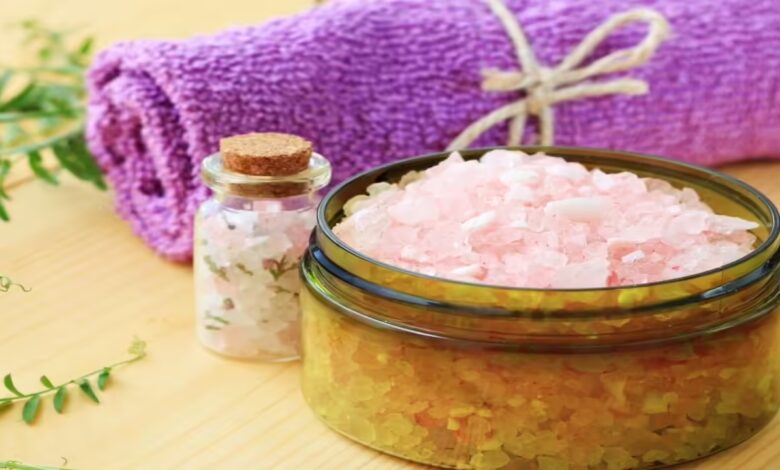
Back pain has quietly become one of the most common health complaints in modern life. Long hours spent sitting at desks working on computers or using mobile devices often place heavy strain on the spine and surrounding muscles. Over time this pressure can lead to stiffness discomfort and persistent pain in the back.
Many people turn to pain relief creams medications or physiotherapy to deal with the problem. However health experts say there are also simple home based remedies that may help ease muscle tension. One such approach that has gained attention is bathing in warm water mixed with Epsom salt.
According to wellness specialists an Epsom salt bath can help reduce muscle tightness and provide soothing relief to people dealing with back pain or body aches. Unlike regular table salt Epsom salt is made of magnesium sulfate which plays an important role in muscle and nerve function.
When dissolved in warm water Epsom salt releases magnesium and sulfate ions. Experts explain that while soaking in the bath the body may absorb small amounts of magnesium through the skin. This mineral is known for its ability to relax muscles and reduce inflammation which may help ease soreness and stiffness in the back.


Warm water itself also contributes to the relief process. Heat from the bath improves blood circulation throughout the body which can support the healing of strained tissues. Better circulation helps deliver oxygen and nutrients to affected areas allowing muscles to recover more efficiently.
Another advantage of soaking in water is the reduction of pressure on joints and the spine. When the body is immersed in water the effect of gravity is partially reduced which allows muscles and joints to relax. This temporary weightlessness can help relieve tension in the lower back and surrounding areas.
Taking an Epsom salt bath is a simple process that can be done at home. Experts suggest filling a bathtub with comfortably warm water and adding around two cups of Epsom salt. The salt should be mixed thoroughly so that it dissolves evenly in the water.
Once the bath is ready a person can soak in the water for about fifteen to twenty minutes. It is important that the lower back and affected areas remain submerged during this time so that the muscles can fully relax in the warm water.
Many people report feeling calmer and more relaxed after such a bath particularly when muscle stress is caused by long hours of sitting or physical strain. Some wellness practitioners recommend repeating the bath once or twice a week as part of a regular self care routine.
However medical professionals also point out that the relief provided by an Epsom salt bath is usually temporary. While it may help reduce pain and stiffness it does not address serious underlying medical conditions that might cause chronic back problems.
Doctors also caution that claims about Epsom salt baths removing toxins from the body are not strongly supported by scientific evidence. The primary benefit of the bath comes from muscle relaxation improved circulation and the calming effect of warm water.
People with severe back pain injuries or chronic health conditions should consult a doctor before relying on home remedies. Persistent pain may require medical evaluation physical therapy or other treatments depending on the cause.
Despite these limitations many experts agree that Epsom salt baths can be a safe and relaxing method for managing mild muscle pain and everyday stress. For individuals looking for a simple natural way to unwind after long hours of work this traditional remedy may offer a gentle sense of relief.
As modern lifestyles continue to increase physical strain on the body small habits such as taking relaxing baths stretching regularly and maintaining proper posture can make a significant difference in maintaining long term back health.