
Even One Weekly Drink May Raise Cancer Risk Experts Warn
Medical experts warn that even one alcoholic drink per week may increase cancer risk explaining how alcohol damages DNA alters hormones and why no safe drinking limit truly exists globally
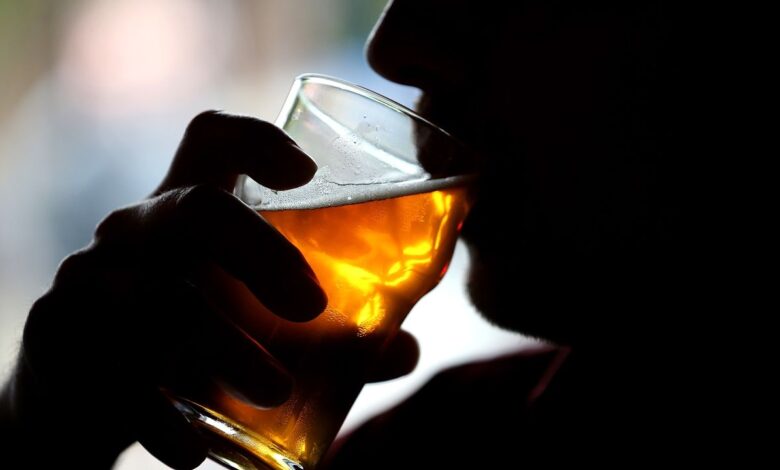
For years many people believed that an occasional drink could be harmless or even beneficial. However health experts are now challenging this idea warning that alcohol carries health risks even at very low levels of consumption.
Doctors point out that alcohol is officially classified as a cancer causing substance similar to tobacco and radiation. Despite this awareness remains low among the public. Studies from recent years show that a significant number of cancer cases are linked directly to alcohol use yet many drinkers remain unaware of this connection.
Once alcohol enters the body it is broken down into a toxic compound called acetaldehyde. This substance can damage DNA and proteins inside cells increasing the chance of uncontrolled cell growth. Over time this process can contribute to the development of cancer in different organs.
Alcohol also increases the production of harmful free radicals in the body. These molecules trigger inflammation and further DNA damage creating conditions that allow cancer cells to form and spread more easily.


Hormonal changes are another concern especially for women. Alcohol consumption can raise estrogen levels which is known to increase the risk of breast cancer. Because women generally have lower body weight and fewer enzymes to break down alcohol the harmful effects can be stronger compared to men.
In addition alcohol interferes with the absorption of essential nutrients and vitamins. This weakens the immune system and reduces the body ability to repair damaged cells making it more vulnerable to long term diseases including cancer.
Medical professionals emphasize that there is no completely safe level of alcohol consumption. While quitting entirely may not be easy experts say being informed about the risks is the first step toward making healthier choices.