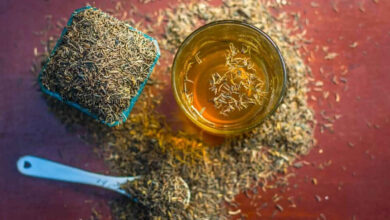
Fenugreek Leaves Gain Fresh Attention as a Powerful Everyday Health Booster
Fenugreek leaves long treated as bitter greens are emerging as a powerful everyday remedy supporting liver balance diabetes control skin health digestion immunity and overall wellbeing when eaten regularly naturally
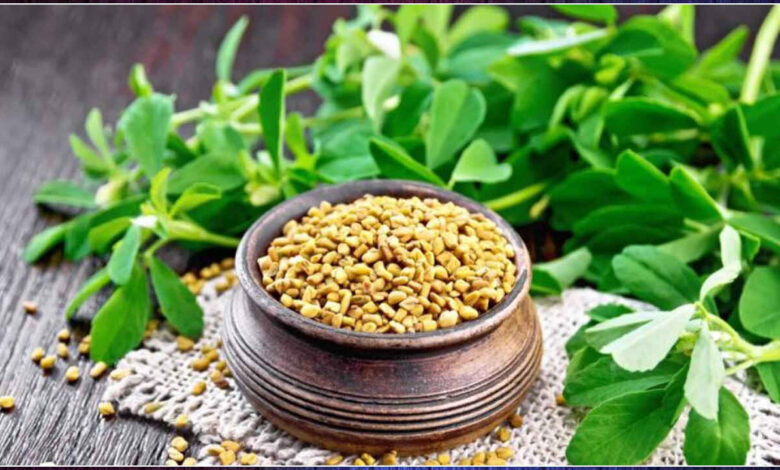
Often ignored or mistaken for an ordinary bitter green, fenugreek leaves are now drawing renewed attention for their wide ranging health benefits. Nutrition experts say this humble leafy vegetable plays a significant role in preventing and managing several common health problems.
Fenugreek leaves are a regular part of Indian kitchens, valued not just for taste but also for their medicinal strength. Though the flavor is slightly bitter, the leaves are packed with calcium iron phosphorus protein and dietary fiber, making them a natural source of strength and disease resistance.
Health specialists highlight the role of fenugreek leaves in supporting liver function and controlling diabetes. Regular consumption helps regulate blood sugar levels and reduces stress on the liver, making it especially beneficial for people with metabolic disorders.
Digestive health is another area where fenugreek leaves show strong results. They stimulate appetite, improve digestion and help control common problems such as vomiting cough joint discomfort and intestinal worms. However, cooks are advised to use the leaves in moderation, as excess can increase bitterness in dishes.


Skin protection is also linked to fenugreek leaves due to their antioxidant content. These compounds help prevent infections, improve skin texture and reduce pigmentation and wrinkles when used as a paste or consumed regularly.
Doctors point out that the high iron content in fenugreek leaves helps fight anemia, while vitamin A supports heart health, vision and nerve strength. People suffering from weakness or frequent fatigue may benefit from adding this green to their meals.
Another notable benefit is body temperature regulation. Fenugreek leaves provide a cooling effect and help reduce heat related allergies. They are also known to balance conditions linked to phlegm bile and air elements in the body.
Research and traditional knowledge suggest fenugreek leaves may support memory and help protect against serious diseases including cancer. Certain natural compounds in the leaves are believed to slow abnormal cell growth.
Beyond food, fenugreek leaves and seeds are widely used in home remedies. Paste made from soaked seeds is applied to hair for strength and shine, while dried leaf powder is often added to dals and curries for year round use. The plant is easy to grow at home, even in small spaces.
Nutritionists recommend including fenugreek leaves or seeds in meals at least two to three times a week. More than just a leafy vegetable, fenugreek is increasingly being recognized as a natural wellness ingredient with lasting health value.