

Fluoride Danger: What Happens When Children Swallow Toothpaste and How Parents Can Protect Them
Swallowing toothpaste can weaken bones, affect brain development, and damage teeth over time, making careful supervision and correct dosage critical for young children’s health and safety.
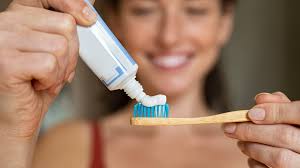
For parents, getting children to brush their teeth can often feel like a battle. Brightly colored toothpaste tubes and sweet flavors can tempt children to swallow toothpaste rather than spit it out. While an occasional accidental swallow may not be harmful, experts warn that making it a habit can seriously impact a child’s health.
The primary concern is fluoride, the mineral added to toothpaste to prevent cavities. Excessive ingestion over time can lead to two major conditions. Dental fluorosis causes white or brown streaks on teeth, weakening enamel. Skeletal fluorosis is even more severe, causing bones to become brittle and prone to fractures, and may result in chronic joint pain later in life.
Recent studies have also highlighted potential cognitive risks. Elevated fluoride levels in the body may interfere with brain development, lowering intellectual abilities in children. Scientists emphasize the importance of regulating fluoride intake to prevent long-term neurological effects.
To minimize risk, parents should carefully control the amount of toothpaste their children use. For children under three years old, a smear no larger than a grain of rice is recommended. Kids between three and six should use a pea-sized amount. Experts also advise avoiding mouthwashes or breath fresheners for young children unless absolutely necessary.


Practical steps can make a big difference. Using fluoride-free toothpaste in the early years helps establish safe habits. Supervising children while they brush and teaching them to spit out toothpaste is crucial. Choosing less sweet or milder flavored toothpaste reduces the temptation to swallow. Additionally, ensuring children tilt their heads slightly forward while brushing lowers the risk of ingestion.
Ultimately, a child’s smile is important, but their overall health takes precedence. By understanding the risks of swallowing toothpaste and implementing careful supervision, parents can protect their children from bone, dental, and cognitive complications while promoting safe oral hygiene habits.