
Green or Black Cardamom Which Spice Offers Better Taste and Health Benefits
Green and black cardamom both offer unique flavors, cooking uses and health advantages, making them essential kitchen spices with different roles in traditional recipes and natural wellness remedies.
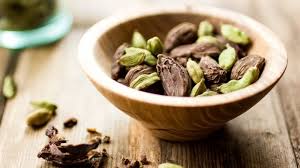
Cardamom has long held a special place in Indian kitchens, adding rich aroma and flavor to everything from sweets to spicy curries. While most people use cardamom regularly in tea or cooking, many are still unaware that the spice mainly comes in two popular varieties, green cardamom and black cardamom. Though both belong to the same spice family, they differ greatly in taste, appearance, culinary use and health benefits.
Green cardamom is commonly recognized by its small size and bright green outer shell. It carries a naturally sweet and refreshing aroma that instantly enhances desserts and beverages. Black cardamom, on the other hand, is much larger in size and darker in color, often appearing deep brown or black. Its flavor is stronger, smokier and more intense, making it a preferred ingredient in heavily spiced dishes.
In Indian households, green cardamom is often associated with sweets and comfort drinks. It is widely used in kheer, halwa, tea, flavored milk and festive desserts because of its mild sweetness and pleasant fragrance. Even a small quantity can completely change the flavor of a dish. Many people also chew green cardamom after meals as a natural mouth freshener.
Black cardamom serves a very different purpose in cooking. It is commonly added to biryani, pulao, rich gravies and meat based dishes where deep smoky flavor is needed. The spice blends well with garam masala and gives curries a bold and earthy aroma that cannot be achieved with green cardamom. Chefs often consider it an essential ingredient in slow cooked traditional recipes.


Health experts and Ayurveda practitioners believe both varieties offer valuable medicinal properties. Green cardamom is known for supporting digestion and reducing bloating after meals. It may also help relieve nausea and improve breath freshness naturally. Because of its cooling and soothing nature, it is often included in herbal teas and digestive mixtures.
Black cardamom is believed to be especially beneficial during cold weather and respiratory discomfort. Its warming properties may help reduce throat irritation, cough and congestion. Ayurvedic practices have traditionally used black cardamom to support breathing and maintain respiratory health. Many households still include it in home remedies during seasonal illnesses.
The two spices also differ in texture and appearance. Green cardamom has a thin and smooth outer layer containing tiny black seeds inside. Black cardamom features a rough and thick shell with a much stronger aroma. Because of its bold flavor profile, black cardamom is usually used in smaller quantities compared to green cardamom.
Price is another noticeable difference between the two varieties. Green cardamom generally costs more because it requires specific climatic conditions and careful cultivation. Its production is limited and demand remains high throughout the year. Black cardamom is comparatively more affordable and is commonly used in spice blends available in the market.
Nutrition experts say choosing between the two depends more on usage than superiority. Green cardamom works best when sweetness and fragrance are needed, while black cardamom performs better in spicy and savory recipes. Both offer important health benefits and neither completely replaces the other in cooking.
Modern kitchens are increasingly experimenting with traditional spices, and cardamom continues to remain one of the most versatile ingredients in Indian cuisine. Whether it is the sweet fragrance of green cardamom in a cup of tea or the smoky richness of black cardamom in biryani, both varieties continue to shape the flavors of countless dishes across homes and restaurants.
Rather than comparing them as competitors, many culinary experts believe green and black cardamom should be seen as complementary spices with distinct personalities. Each one brings its own identity to food and wellness, making both equally valuable in everyday cooking and traditional remedies.