

Guava Leaves Gaining Attention as Natural Remedy for Diabetes and Joint Pain
Often ignored guava leaves are now highlighted by health experts for supporting blood sugar control digestion oral health and joint relief when consumed properly as tea decoction or fresh leaves
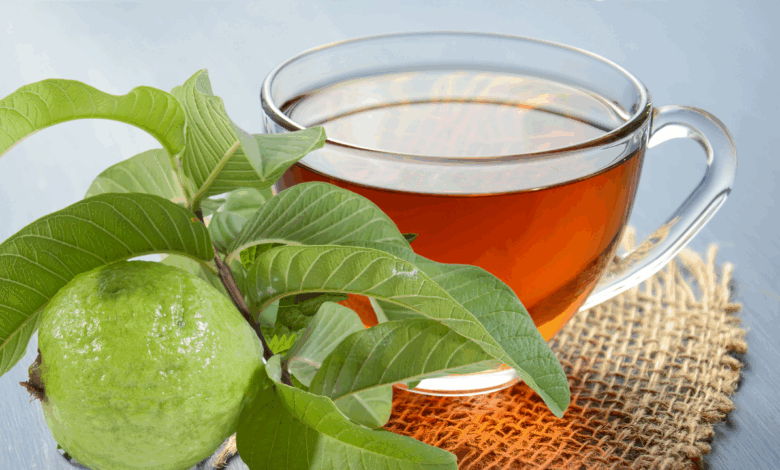
Guava is widely known as an affordable fruit packed with nutrients, often referred to as the common man apple. However, health experts say the real surprise may lie not in the fruit, but in its leaves. Once overlooked and discarded, guava leaves are now drawing attention for their potential health benefits in managing several everyday conditions.
According to Ayurvedic practitioners and emerging research, guava leaves contain antioxidants, vitamin C and antimicrobial compounds that may support overall wellness. Experts suggest that when used correctly, these leaves can be incorporated into simple home remedies for issues ranging from blood sugar imbalance to oral discomfort.
One of the most discussed benefits is related to diabetes management. Specialists say that a decoction made from guava leaves may help regulate blood glucose levels. The natural compounds present in the leaves are believed to slow down the conversion of complex carbohydrates into glucose, which may help prevent sudden sugar spikes. Some health professionals recommend consuming the decoction in the morning for better results, though it should not replace prescribed treatment.
Joint pain is another area where guava leaves are said to offer relief. For individuals experiencing swelling or mild inflammatory discomfort, a warm paste prepared from crushed leaves can be applied externally to the affected area. Experts note that the anti inflammatory properties of the leaves may help reduce pain and stiffness when used consistently.


Oral health is also among the traditional uses. The antimicrobial and anti inflammatory qualities found in guava leaves may assist in easing gum swelling, tooth discomfort and mouth ulcers. Gargling with guava leaf decoction is often suggested as a natural way to soothe irritation and maintain oral hygiene.
Digestive troubles such as mild stomach pain or nausea are also mentioned by practitioners who advocate the antibacterial properties of the leaves. Drinking guava leaf tea is considered a simple home based approach to support digestive balance.
Health experts emphasize that guava leaves can be consumed in different forms. Some prefer brewing them as herbal tea, while others chew tender fresh leaves or extract their juice. Morning consumption is often recommended in traditional practices.
At the same time, medical professionals caution that these remedies are meant for general awareness and supportive care. Individuals dealing with chronic health conditions should always consult a qualified healthcare provider before adding herbal preparations to their routine.
With growing interest in natural wellness, guava leaves are gradually shedding their overlooked status and finding a place in conversations about simple, plant based health support.