Hidden Summer Danger in Watermelon How a Cooling Fruit Can Turn Risky if Not Checked Properly
Watermelon is a summer favorite but improper storage, heat exposure, and hidden bacterial growth can turn it unsafe leading to food poisoning and serious health risks if warning signs are ignored
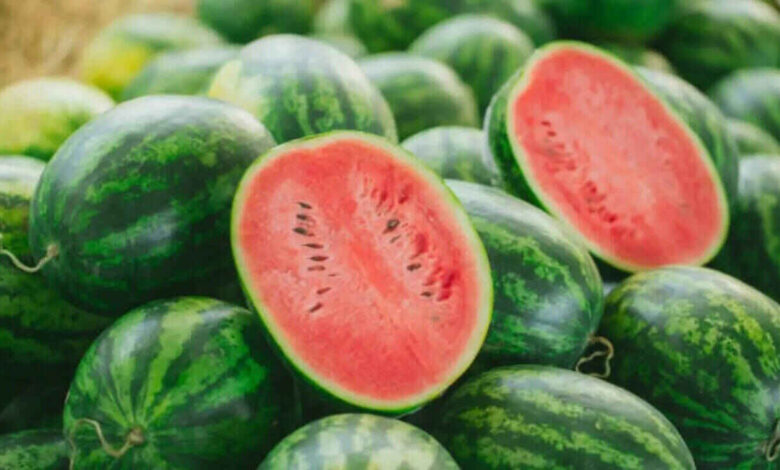
Watermelon is one of the most loved fruits during the scorching summer months. With its high water content and natural sweetness, it feels refreshing and hydrating. However, what many people do not realize is that this cooling fruit can sometimes turn harmful if it is not stored or chosen correctly. In the intense heat, especially when temperatures cross 40 degrees, watermelons kept in open environments like roadside stalls can become unsafe to eat.
One of the most concerning issues is how quickly watermelon reacts to heat. The fruit contains natural sugars and a high level of moisture, which makes it sensitive to temperature changes. When exposed to direct sunlight for long hours, fermentation can begin inside the fruit. This process creates gas and changes the internal texture, often making it unsafe for consumption.
A clear warning sign appears when the fruit is cut open. If you notice a foamy texture, bubbling, or a soapy water like appearance inside the watermelon, it usually indicates internal spoilage. A strong sour or unpleasant smell after cutting is another red flag that the fruit may have gone bad and should not be eaten.
Bacterial contamination is another hidden risk that often goes unnoticed. Watermelons grow close to the ground and their outer skin can naturally carry bacteria such as salmonella. When the fruit is left in the heat for too long, the outer surface can develop tiny cracks. These invisible openings allow bacteria to enter the inside of the fruit, contaminating the juicy flesh and increasing the risk of food poisoning.


The effects of consuming spoiled watermelon can be severe. People may experience vomiting, stomach cramps, diarrhea, and dehydration. In some cases, especially for children or elderly individuals, it can lead to serious health complications that require medical attention.
Choosing a good watermelon is just as important as storing it properly. A ripe fruit usually has a yellow or creamy patch on one side where it rested on the ground. When tapped, it should produce a hollow sound rather than a dull one. The stem is another indicator. A dry stem usually means the fruit ripened naturally, while a green stem suggests it was picked too early. Heavier fruits for their size often indicate juiciness and better quality.
Proper handling at home also plays a key role in safety. Washing the outer surface thoroughly before cutting is essential to prevent bacteria from entering the inside. Once cut, watermelon should not be left at room temperature for more than two hours. It is best stored in an airtight container inside the refrigerator and consumed within a day for freshness.
Even small habits matter after eating watermelon. Drinking large amounts of water immediately afterward is not recommended as it may disturb digestion. A short gap before drinking water helps the body process the fruit more comfortably.
Watermelon remains a summer essential, but awareness is key. A little attention to how it looks, smells, and is stored can make the difference between a healthy refreshment and a serious health risk.