

High Blood Pressure Rising Among Youth Experts Warn of Silent Stroke Risk
Doctors caution that high blood pressure often shows no early symptoms but can quietly damage the body, increasing the risk of stroke and serious complications if left uncontrolled for long periods.
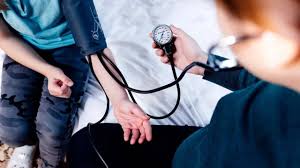
Health experts are raising concerns over the growing number of high blood pressure cases, especially among younger people. Once considered a condition mainly affecting older adults, hypertension is now being detected increasingly in individuals with fast paced lifestyles and poor health habits.
Doctors describe high blood pressure as a silent killer because it often develops without noticeable symptoms. Many people continue their daily lives unaware of the condition until it leads to serious complications. This makes early detection and regular monitoring extremely important.
According to medical guidelines, a normal blood pressure reading is around 120 over 80 mmHg. When readings consistently rise to 140 over 90 mmHg or higher, it is classified as high blood pressure. If levels remain elevated for a long time, the risks to the body increase significantly.
One of the most dangerous complications linked to uncontrolled blood pressure is stroke. Medical specialists explain that when blood pressure remains high over time, it puts excessive strain on blood vessels, especially those supplying the brain. This can lead to blockages or even rupture of blood vessels.


When the brain does not receive enough oxygen due to blocked blood flow, it can result in a stroke. In severe cases, extremely high pressure can cause blood vessels in the brain to burst, leading to life threatening situations. Such events can affect multiple body functions and may result in permanent damage.
Doctors emphasize that the biggest challenge with high blood pressure is its lack of clear warning signs in the early stages. Symptoms often appear only when the condition has progressed or complications have begun. This is why it is often referred to as a silent condition.
However, there are certain signs that should not be ignored. Persistent headaches, especially at the back of the head, can sometimes be linked to elevated blood pressure. Other symptoms may include dizziness, shortness of breath and constant fatigue.
Experts say these signs may not always be obvious or may be mistaken for routine stress or tiredness. As a result, many people delay seeking medical advice, which increases the risk of severe health issues later.
Lifestyle factors are a major reason behind the rise in hypertension cases. Unhealthy eating habits, high salt intake, lack of physical activity, poor sleep and ongoing stress all contribute to increasing blood pressure levels.
Maintaining a healthy lifestyle is considered the most effective way to control and prevent high blood pressure. Doctors recommend engaging in at least 30 minutes of physical activity daily, such as walking, jogging or light exercise.
Diet also plays a crucial role. Reducing salt intake, eating balanced meals and including more fruits and vegetables can help manage blood pressure levels. Adequate sleep is equally important, with experts advising at least seven hours of rest each night.
Managing stress is another key factor. Relaxation techniques, regular breaks and maintaining a healthy work life balance can significantly reduce the impact of stress on blood pressure.
Medical professionals stress that regular health checkups are essential, even for those who feel healthy. Monitoring blood pressure periodically can help detect any early changes and allow timely intervention.
As cases continue to rise, experts urge people not to ignore even mild symptoms and to take preventive measures seriously. Controlling blood pressure is not just about avoiding illness but about protecting long term health and reducing the risk of life threatening conditions like stroke.