
Homemade Peanut Oil for Heart Health A Traditional Method to Extract Pure Oil at Home
Natural peanut oil prepared at home using simple steps is gaining attention as a healthy alternative to processed oils, offering purity, taste and traditional nutrition without chemicals or additives.
In recent years, concerns over adulterated cooking oils in the market have grown significantly. Many packaged oils contain additives and chemical processing agents that some health experts believe may contribute to lifestyle disorders such as heart disease and obesity. As a result, there is a renewed interest in traditional, cold pressed and homemade oils that are considered more natural and wholesome.
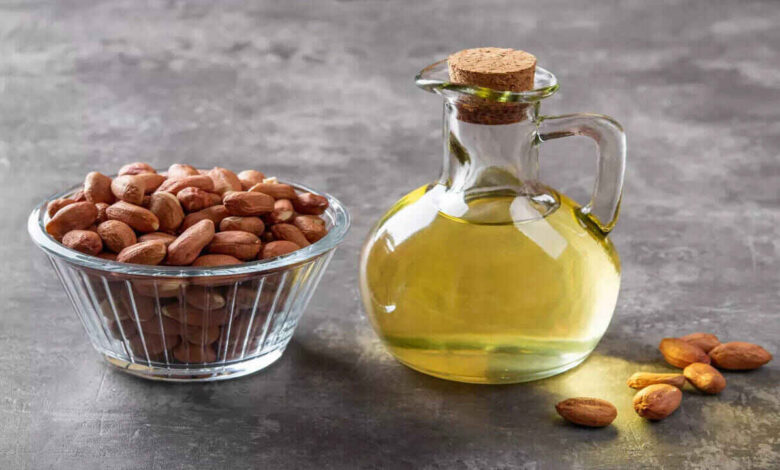
Peanut oil, known for its rich aroma and nutritional value, is one of the most commonly used cooking oils in many households. While organic and wooden pressed versions are available in stores, their rising prices have made them less accessible for everyday use. Against this backdrop, simple home extraction methods are once again gaining popularity among people looking for purity and cost effectiveness.
Interestingly, chefs and home cooking experts suggest that pure peanut oil can be prepared at home without expensive machines. With just basic kitchen tools and good quality peanuts, it is possible to extract oil that is fresh, chemical free and full of natural flavor. The process is simple, but it requires patience and careful handling.
The preparation begins by selecting clean and good quality peanuts. Any damaged or spoiled kernels are removed to ensure purity. The peanuts are then lightly roasted on a low flame until their raw smell disappears and the skins loosen easily. Care must be taken not to over roast them, as burning can affect both taste and oil quality.


Once cooled, the roasted peanuts are gently rubbed to remove their outer skins. The peeled peanuts are then transferred into a heavy duty mixer grinder. Instead of running it continuously, experts recommend using pulse mode in short intervals to avoid turning them into a fine powder too quickly.
As the grinding continues, a small amount of warm water is added gradually. This helps in releasing the natural oils from the peanuts. Slowly, the mixture begins to turn moist and oily, and one can visibly notice oil separation around the edges of the paste.
The mixture is then transferred into a clean cotton cloth and tightly squeezed. This step is crucial as it allows the pure peanut oil to drip out slowly into a container. The extracted oil is fragrant, natural and can be stored in a glass bottle for long term use without losing its freshness.
What remains after extraction is not waste. The leftover peanut cake is highly nutritious and rich in protein. It can be used in various ways, such as mixing with jaggery to make traditional sweets or adding it to gravies to enhance flavor and thickness.
This simple traditional method not only ensures purity but also reconnects households with age old cooking practices. In an era of processed food, such homemade alternatives offer both health benefits and peace of mind.