

Hot Water or Cold Water in Summer What Really Happens When You Drink It
Experts explain how cold water may slow digestion while warm or room temperature water supports hydration and metabolism, helping the body stay balanced during extreme summer heat conditions more effectively than expected
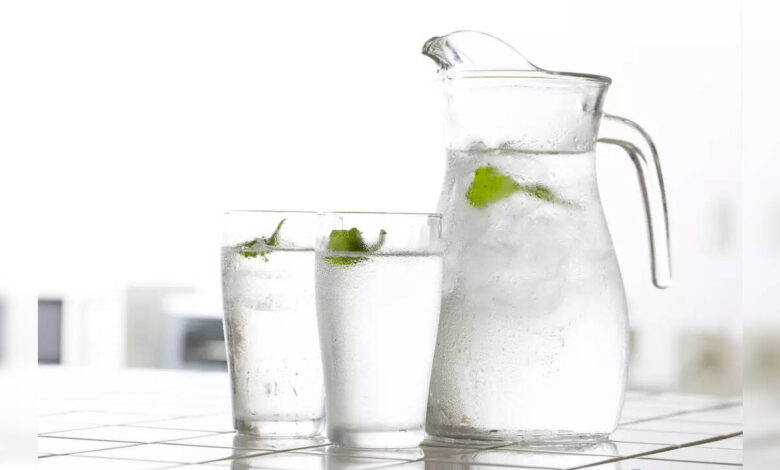
As summer temperatures rise, staying hydrated becomes one of the most important habits for maintaining good health. While most people naturally reach for chilled water to get instant relief from the heat, health experts suggest that the type of water we drink can also have an impact on digestion and overall body balance.
In daily life, especially during peak summer afternoons, cold water feels refreshing and comforting. However, many people are unaware that drinking too much ice cold water may not always be beneficial for the body. On the other hand, warm or room temperature water is often recommended for better internal balance, even though it is less appealing in hot weather.
One of the key concerns linked with cold water is its effect on digestion. When extremely cold water enters the body, it can temporarily lower internal temperature and slow down the digestive process. This becomes more noticeable after meals, where cold water may lead to discomfort or mild indigestion by affecting how food is broken down in the stomach.
Warm or slightly lukewarm water, however, is considered more supportive for the body’s natural functions. Experts say it can help improve blood circulation and assist in flushing out toxins more efficiently. Many health professionals also recommend starting the day with warm water, as it may help activate metabolism and support overall digestive health, even during summer months.


Interestingly, room temperature water often stands out as the most balanced option. It neither shocks the body with extreme cold nor creates discomfort associated with hot water. This makes it a practical choice for regular hydration, especially when stepping in and out of hot outdoor conditions. Experts also advise avoiding ice cold water immediately after coming from the sun, as the sudden temperature change may disturb the body’s natural equilibrium.
Hydration itself remains the most important factor regardless of water temperature. During summer, the human body loses more fluids through sweating, making it essential to drink enough water throughout the day. On average, adults are advised to consume around 2.5 to 3 liters of water daily, though those who are more active or spend time outdoors may need even more.
Along with plain water, natural fluids like coconut water and fresh fruit juices can also help maintain hydration levels. The key is consistency and balance, ensuring that the body remains cool, energized and properly hydrated throughout the heat of the season.