

How Cancer Begins in the Human Body Understanding the Disease That Fears Millions
Cancer develops when body cells grow uncontrollably due to genetic mutations infections or environmental factors and researchers continue to study its causes spread and different forms to improve treatment and survival
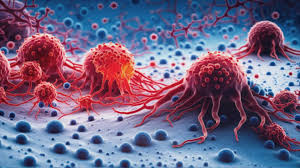
The word cancer often triggers fear because of how serious the disease can become if not detected early. Despite the anxiety it causes, doctors say understanding how cancer begins inside the body can help people recognize its risks and seek timely medical care. At its core, cancer is not a single disease but a group of conditions that arise when normal cells lose control over their growth.
The human body is made up of billions of cells that follow a carefully regulated life cycle. Cells are created, perform their specific functions and eventually die so that new cells can replace them. This cycle is controlled by genes within the cells. However, when these genes undergo mutations due to factors such as harmful chemicals, viral infections or inherited genetic changes, the system can break down. As a result, cells begin multiplying without control and may form abnormal masses known as tumors.
Unlike normal cells, cancer cells do not die when they should. They continue dividing and can evade the body’s natural immune defenses. Over time these abnormal cells may spread from their original location and damage nearby tissues or organs. This ability to invade other parts of the body makes cancer particularly dangerous.
Cancer cells can spread through several pathways. In some cases the disease grows directly into nearby tissues and organs, gradually expanding from its original site. Another common route involves the lymphatic system, where cancer cells enter lymph vessels and travel to lymph nodes. The disease can also spread through the bloodstream, allowing cancer cells to reach distant organs such as the lungs, liver, bones or brain.


Medical science has identified different ways to classify cancer. One approach is based on the organ where the disease first appears. For example, cancers that begin in the lungs, breast or intestines are named after those organs. Another method focuses on the type of cell involved in the disease.
Carcinoma is the most common category of cancer. It begins in epithelial cells, which line the surfaces of organs and tissues in the body. Several types fall under this group, including adenocarcinoma, which may develop in organs like the lungs or breast, and basal cell carcinoma, which affects the skin.
Sarcoma is another form of cancer that develops in connective tissues. These include bones, muscles, fat and other supportive tissues in the body. Although less common than carcinoma, sarcomas can be aggressive and require specialized treatment.
Melanoma is a type of cancer that develops in cells responsible for producing melanin, the pigment that gives skin its color. Doctors often consider melanoma one of the more aggressive skin cancers because of its ability to spread quickly if not treated early.
Some cancers affect the brain and nervous system. Tumors such as glioblastoma and astrocytoma arise from different types of brain cells and can interfere with normal brain functions depending on their location and growth rate.
There are also cancers that affect the blood and immune system rather than forming solid tumors. Leukemia develops in the bone marrow when abnormal white blood cells multiply rapidly. Lymphoma occurs when lymphocytes, a type of immune cell, grow uncontrollably and form tumors in lymph nodes. Multiple myeloma begins in plasma cells within the bone marrow and can weaken bones while disrupting immune function.
Certain cancers are known for spreading more aggressively than others. For example melanoma can move quickly to other parts of the body if not treated early. However doctors emphasize that any type of cancer can become life threatening when it reaches an advanced stage.
Researchers around the world continue to study cancer in order to better understand its causes and discover improved treatments. Advances in medical science have already led to earlier detection methods and more effective therapies, offering hope that the fight against cancer will continue to improve survival rates in the future.