
How to Identify Naturally Ripened Papaya and Avoid Chemically Treated Fruit for Better Health
Before buying papaya from the market it is important to understand simple signs that help you distinguish naturally ripened fruit from chemically treated ones to protect your health and family wellbeing
Papaya is one of the most commonly consumed fruits because of its sweetness, soft texture and digestive benefits. However, not every papaya you see in the market is naturally ripened. Many fruits are artificially ripened using chemicals, which can affect both taste and health. Knowing the difference can help you make a safer choice every time you shop.
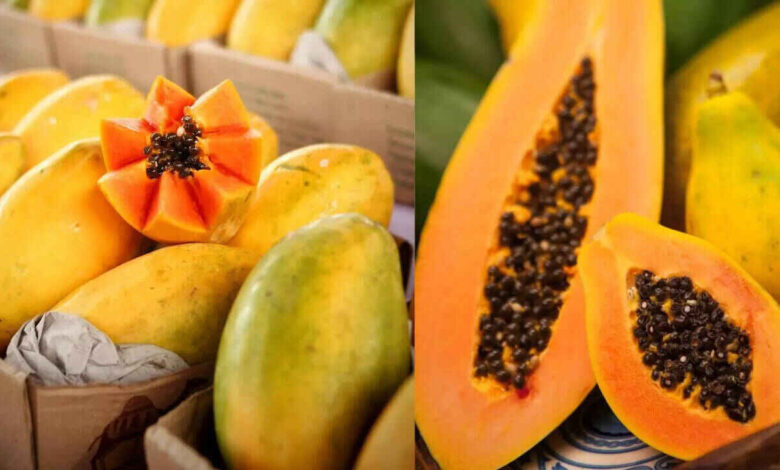
One of the first things to observe is the skin color. Naturally ripened papayas usually show a mix of green and yellow shades. In contrast, chemically ripened ones often look overly bright, uniform in color and unusually perfect in appearance. While they may look attractive, this unnatural shine can sometimes indicate chemical treatment.
Texture also plays an important role in identification. A naturally ripened papaya tends to have a slightly uneven surface with small marks or spots. Its stem area usually appears slightly wrinkled and soft. On the other hand, artificially ripened papayas often have a very smooth and flawless surface with no natural imperfections, which can be a warning sign.
Smell is another simple but effective clue. A naturally ripened papaya gives off a mild sweet aroma that feels fresh and fruity. Chemically ripened fruits may lack this natural fragrance or sometimes even emit an odd or slightly bitter smell. Checking the scent before buying can help avoid poor quality fruit.


When you gently press the fruit, naturally ripened papaya feels soft and evenly tender from all sides. If the outer skin feels soft but the inside is hard, it is likely not naturally ripened. This uneven texture often indicates artificial ripening methods.
The seeds inside the papaya also reveal a lot about its quality. Naturally ripened papayas have black seeds covered in a jelly like coating. In chemically treated fruits, the seeds may appear pale or underdeveloped because the ripening process is forced and not natural.
Even the internal color gives a clear indication. A naturally ripe papaya has a deep orange and juicy flesh that is soft throughout. Artificially ripened ones often look pale inside and lack sweetness, making them less enjoyable to eat.
According to food safety guidelines, chemicals used for artificial ripening can have harmful effects on health, especially when consumed regularly. That is why it is always better to focus on natural signs rather than attractive appearance alone. A little attention while buying fruit can go a long way in keeping your diet safe and healthy.