

How to Make Dry Fruits Truly Heart-Healthy Tips Dietitians Recommend for Optimal Cardiovascular Benefits
Not all dry fruits benefit the heart equally. Experts reveal which types to choose, which to avoid, and how moderation and preparation impact cardiovascular health effectively.
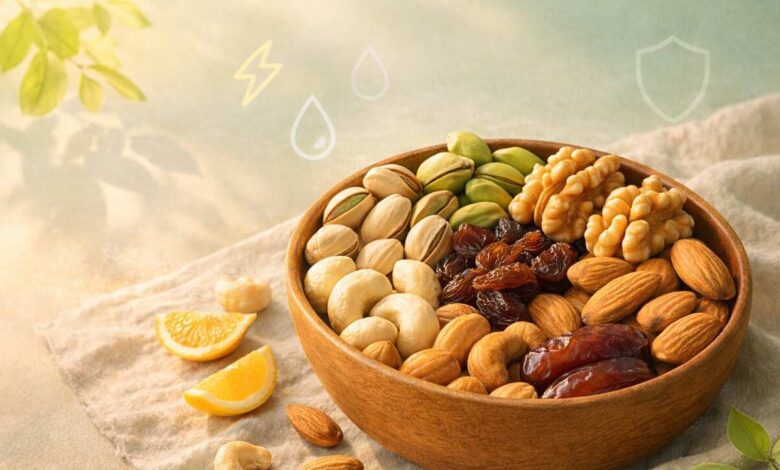
Dry fruits are often considered the go-to healthy snack, but when it comes to heart health, not all varieties deliver the same benefits. Experts emphasize that the type of dry fruit, portion size, and processing method significantly influence their impact on cardiovascular health.
Selecting the right dry fruits is crucial. Almonds, walnuts, and pistachios are particularly recommended for individuals with heart concerns. These nuts are rich in healthy fats, fiber, and antioxidants, which not only support heart function but also reduce inflammation throughout the body. Incorporating these into daily meals can provide long-term benefits for cardiovascular wellness.
Controlling cholesterol is another key reason to choose specific dry fruits. Nuts like almonds and walnuts contain unsaturated fats that help balance cholesterol levels by reducing bad cholesterol and boosting good cholesterol. Naturally dried fruits such as raisins or dates can also be included in moderation, as their micronutrients and fiber contribute to better digestion and help regulate blood pressure.
Portion control and quality matter just as much as selection. Excessive intake of any dry fruit can add unnecessary calories and sugars, diminishing their health benefits. Processed dry fruits coated in sugar or salt should be avoided, as high salt can elevate blood pressure and strain the heart. Choosing raw, unprocessed options ensures maximum protective benefits.


For heart health, small but consistent changes in snacking habits make a meaningful difference. By carefully selecting nutrient-dense dry fruits, monitoring portions, and avoiding added sugar or salt, individuals can enjoy these snacks without compromising cardiovascular wellness.