

Kadaknath Chicken Becomes Popular for Its Health Benefits and Unique Black Meat
The demand for Kadaknath black chicken rises across India offering high protein low fat and medicinal benefits while providing farmers an opportunity to boost income sustainably in rural areas
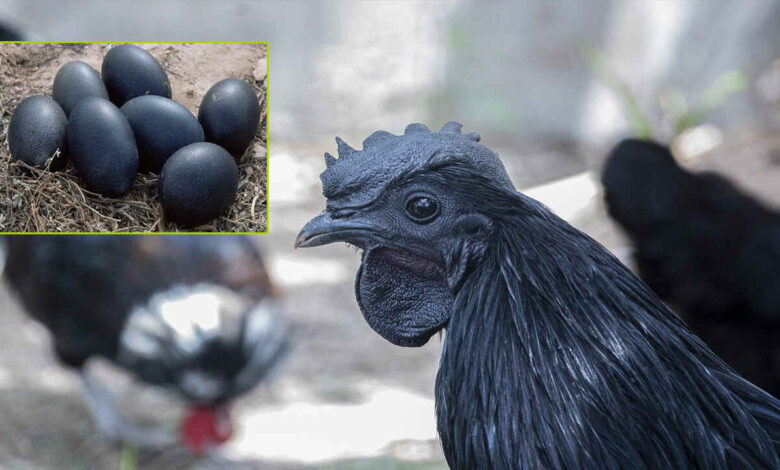
Kadaknath chicken, once limited to forest regions of Madhya Pradesh, is now becoming a sought-after breed in Telugu states. Its striking black color often surprises first-time buyers, but its taste and nutritional profile make it highly prized among non-vegetarian consumers. Vendors say anyone who tastes this meat is instantly captivated by its flavor and texture.
Experts emphasize that Kadaknath meat is exceptionally healthy. Low in fat and cholesterol but rich in protein, vitamins and essential minerals, it stands out compared to regular broiler chicken. The presence of melanin gives the meat its characteristic black color while also adding medicinal value, making it a popular choice for health-conscious consumers.
The bird is native to India and traditionally called Kali-Masi or Kalamali by tribal communities in Madhya Pradesh. Originally confined to limited regions of Madhya Pradesh, Rajasthan, and Gujarat, Kadaknath chicken is now cultivated in various parts of the country. Scientists suggest it as a sustainable alternative to declining native chicken breeds due to its adaptability and disease resistance.
Kadaknath chickens are recognizable not only by their black feathers but also by black meat, skin, bones, and even blood. Chicks are born with dark shades and stripes, giving them a distinctive appearance that attracts buyers despite higher prices.


Currently, the price of Kadaknath meat ranges between 800 and 900 rupees per kilogram. Chicks are sold for 65 to 70 rupees each, and eggs fetch 40 to 45 rupees. Despite the higher cost, demand remains strong due to the breed’s exceptional nutritional and medicinal qualities.
Nutritionally, the meat contains around 25 percent protein and very low fat. It is rich in 18 amino acids, B vitamins including B1, B2, B3, B12, as well as calcium, phosphorus, iron, and nicotinic acid. Medical experts note that consuming Kadaknath meat can help strengthen immunity and promote overall health.
From an agricultural perspective, Kadaknath chickens offer significant advantages. Naturally disease-resistant, they thrive in challenging environmental conditions. Hens start laying eggs at six months, producing an average of 90 to 100 eggs annually. At seven months, the birds weigh around 1.5 kilograms.
Low investment combined with high returns has made Kadaknath chicken farming a new hope for rural communities. Experts highlight that leveraging the value of this black meat not only increases farmer incomes but also strengthens the rural economy, creating sustainable opportunities for small-scale poultry producers.