

Late Night Phone Use May Be Quietly Damaging Your Sleep and Health
Health experts warn that excessive smartphone use at night can disturb sleep cycles strain the eyes increase stress levels and contribute to long term health risks if habits are not controlled.
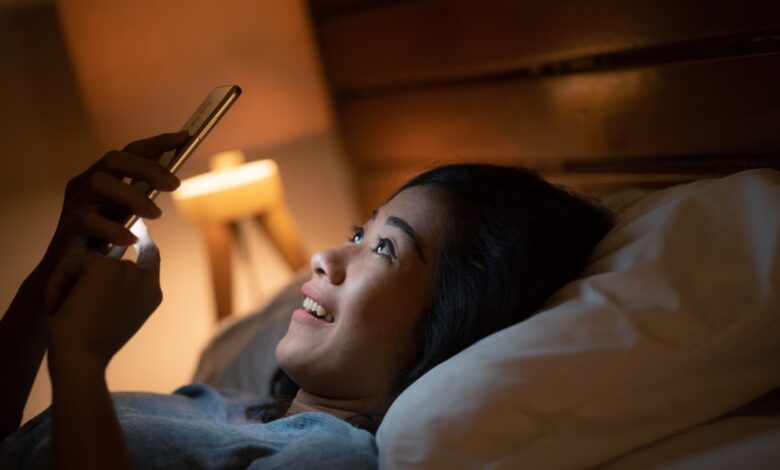
Smartphones have become an inseparable part of daily life. From the moment people wake up in the morning to the final minutes before going to bed, many spend hours scrolling through screens. While the convenience of mobile technology is undeniable, health experts say that late night phone habits may be quietly affecting both sleep quality and overall wellbeing.
One of the biggest concerns is the effect of mobile screens on the body’s natural sleep cycle. Smartphones emit blue light, which interferes with the production of melatonin, a hormone that regulates sleep and wake patterns. When melatonin levels are disturbed, the body struggles to fall asleep naturally. Over time, this can lead to poor sleep quality, insomnia and even long term health complications.
Doctors explain that constant screen exposure before bedtime can also disrupt the circadian rhythm, the internal clock that controls when the body feels awake or tired. When this rhythm is disturbed, people may experience irregular sleep schedules, daytime fatigue and difficulty concentrating during normal activities.
Another growing concern is digital eye strain, a condition that affects people who spend long hours looking at screens. Medical professionals often refer to it as computer vision syndrome. The problem is becoming more common not only among office workers but also among individuals who frequently use smartphones late into the night.


Digital eye strain can cause several symptoms including eye fatigue, dryness, blurred vision, headaches and irritation. These issues occur because people tend to blink less often while focusing on screens. As a result, the eyes lose moisture and become tired more quickly. People who spend seven to eight hours daily in front of computers or mobile devices are particularly vulnerable.
Health researchers also warn that prolonged exposure to blue light can increase the risk of vision problems such as myopia. In addition, continuous screen use late at night can trigger mental stress and tension, making it harder for the brain to relax before sleep.
Many people also develop the habit of keeping their phones beside their pillow or even under it while sleeping. Experts say this behavior encourages frequent checking of messages, notifications and social media updates, further delaying sleep time and increasing screen exposure.
Despite these risks, doctors acknowledge that completely avoiding digital screens is not realistic for many professions. Instead, they recommend adopting simple habits to reduce the negative effects of screen use.
One commonly suggested approach is the 20 20 20 rule. According to this guideline, after every 20 minutes of screen time, a person should look at an object about 20 feet away for at least 20 seconds. This small break helps relax the eye muscles and reduces strain.
Proper screen positioning is another important factor. The screen should ideally be placed slightly below eye level and at a comfortable distance. This position allows the eyelids to remain partially closed, which helps maintain natural moisture in the eyes and prevents dryness.
Limiting smartphone use before bedtime is considered one of the most effective preventive measures. Experts recommend putting away phones at least one hour before going to sleep. This simple step allows melatonin production to return to normal levels and helps the body prepare for natural rest.
Overall, health professionals say the growing dependence on smartphones, especially during late night hours, is becoming a serious lifestyle concern. By adopting healthier screen habits and allowing the body enough time to disconnect from digital devices, people can protect their sleep quality, eye health and long term wellbeing.