Late Night Rice Habit May Be Harming Your Health, Experts Caution
Health experts warn that eating rice at night may lead to weight gain, blood sugar spikes and digestive troubles, while suggesting fiber rich and protein packed alternatives for better long term wellness.
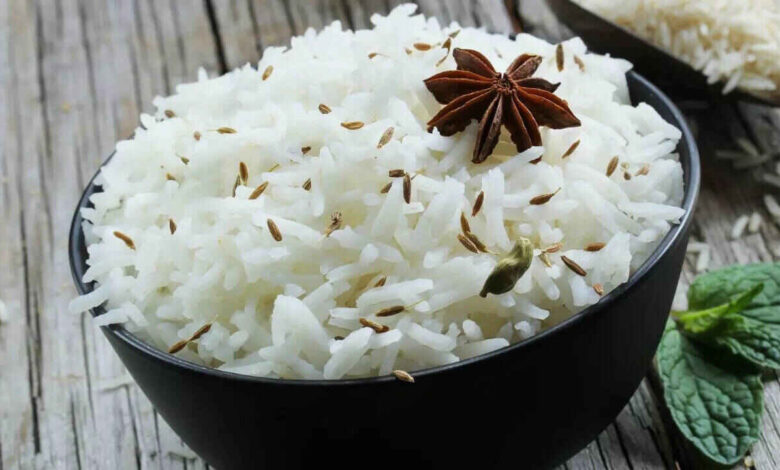
In many households, cooking rice at night feels like the easiest solution after a long and tiring day. With busy work schedules and little time to prepare elaborate meals, a plate of rice often becomes the default dinner choice. However, health specialists are now cautioning that this convenient habit could quietly contribute to long term health problems.
One of the biggest concerns is unexpected weight gain. Rice is rich in carbohydrates, and the body requires physical activity to burn those calories efficiently. Since most people slow down at night and head to bed soon after dinner, the unused calories are more likely to be stored as fat. Additionally, metabolism naturally slows during sleep, making it harder for the body to process heavy carb loaded meals.
Blood sugar fluctuations are another issue linked to white rice consumption at night. White rice has a high glycemic index, which means it can cause a rapid rise in blood sugar levels. While this is particularly risky for people living with diabetes, experts say regular spikes can also increase the likelihood of developing type 2 diabetes in otherwise healthy individuals.
Digestive discomfort is frequently reported as well. Many people complain of bloating, acidity or gas after eating rice for dinner. Doctors explain that rice based meals, especially when eaten in large portions, may slow down digestion at night, leaving the stomach feeling heavy and unsettled.


Nutritionists suggest that small dietary changes can make a meaningful difference. Replacing white rice with multigrain roti can improve fiber intake and support smoother digestion. Options such as quinoa and millets contain comparatively fewer carbohydrates and offer higher protein content, making them more suitable for an evening meal. Dalia, known for its rich fiber content, not only aids digestion but also keeps one feeling full for longer. Light dishes prepared with lentils and vegetables, such as khichdi, are also considered nourishing and easier on the stomach.
Experts emphasize that occasional rice consumption at night may not pose serious harm, but turning it into a daily routine could gradually impact weight, blood sugar balance and digestive health. Making mindful dinner choices today, they say, can prevent bigger health challenges tomorrow.