

Low Blood Pressure Risks: How Sodium Deficiency Could Affect Your Health and Simple Remedies to Stay Safe
With hypotension on the rise, understanding the dangers of low blood pressure and adopting simple measures like proper hydration, dietary sodium, and body positioning can prevent serious health risks.
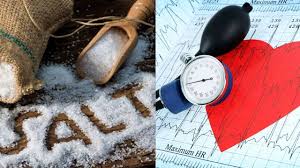
Low blood pressure, medically known as hypotension, occurs when readings drop below 90/60 mmHg. While high blood pressure often receives attention, the number of people suffering from dangerously low blood pressure is increasing. Sodium deficiency and dehydration are among the main causes, leaving the body unable to maintain normal circulation.
Symptoms of hypotension can be sudden and alarming. Dizziness, blurred vision, fainting, extreme fatigue, cold skin, and excessive sweating may signal that your body is sending urgent warnings. Ignoring these signs can compromise blood flow to vital organs such as the brain and heart, potentially leading to severe complications.
One quick home remedy when blood pressure suddenly drops is consuming a glass of water with a pinch of salt. This helps replenish sodium levels and can restore normal blood pressure. Another practical step is adjusting body position during dizziness or lightheadedness. Lying down and elevating the legs slightly improves blood flow to the brain, speeding up recovery from sudden hypotensive episodes.
Hydration also plays a critical role in preventing low blood pressure. Drinking adequate water throughout the day, along with coconut water or fresh fruit juices, can reduce the risk of hypotension caused by dehydration. In some cases, consuming a strong tea or coffee may temporarily raise blood pressure due to caffeine, but this should not become a routine solution.

For individuals prone to low blood pressure, eating smaller meals more frequently rather than consuming one large meal at a time can help maintain stable readings. Consistently monitoring symptoms and consulting a healthcare professional if problems persist is essential to avoid serious health risks.
By combining proper hydration, cautious dietary choices, and awareness of body signals, people with low blood pressure can manage their condition effectively and reduce the risk of sudden hypotensive crises.